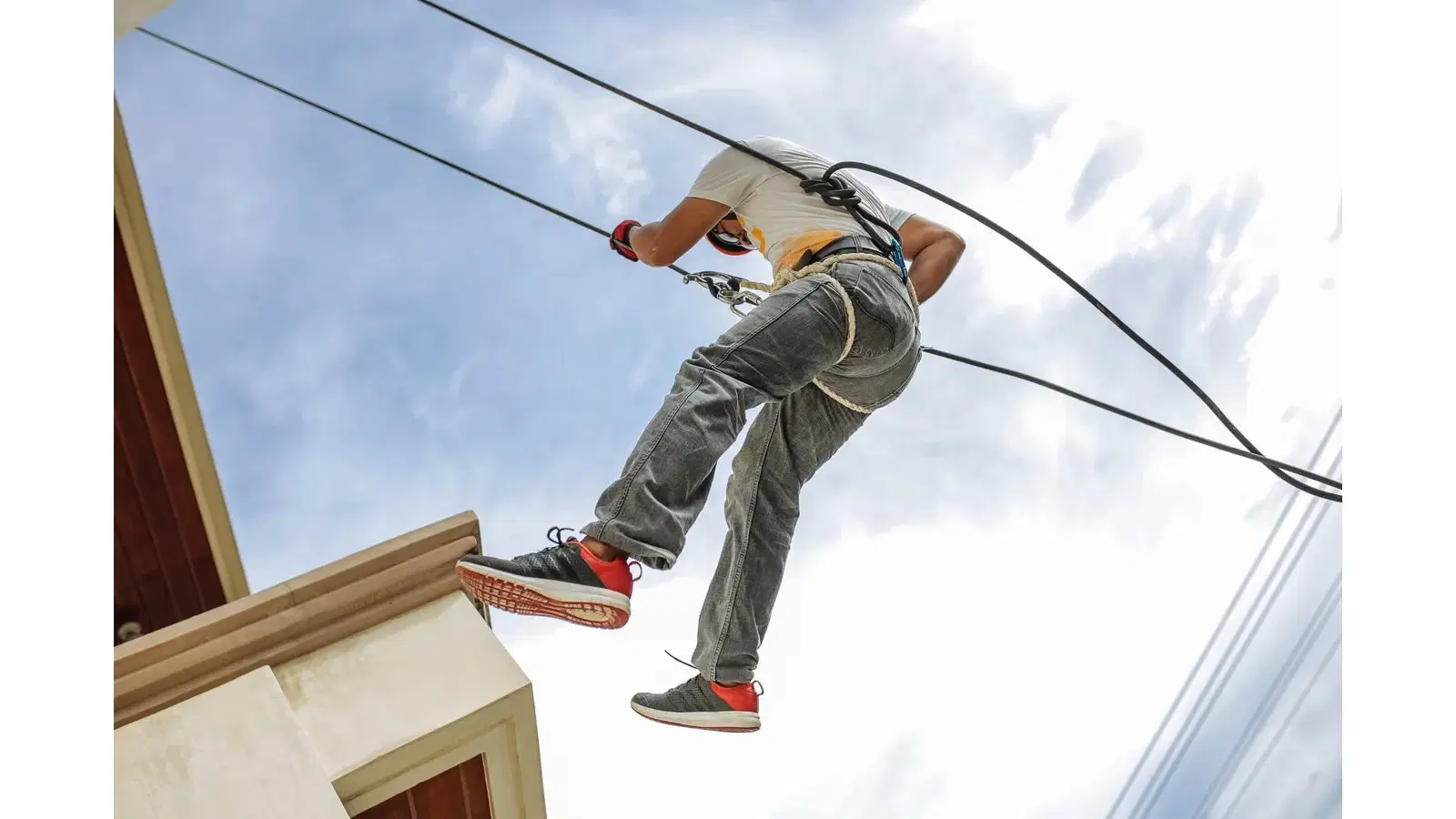
Commercial Quick Jump Design & Installation in India

Commercial Quick Jump Design & Installation in India

Controlled free-fall jumps powered by the Head Rush QUICKjump device — a genuine free fall followed by a smooth magnetic descent. Mounted on ziplines and multi activity towers, engineered to IS 456 / IS 800 and ERCA-aligned safety practice.

What It Is & Why It Matters

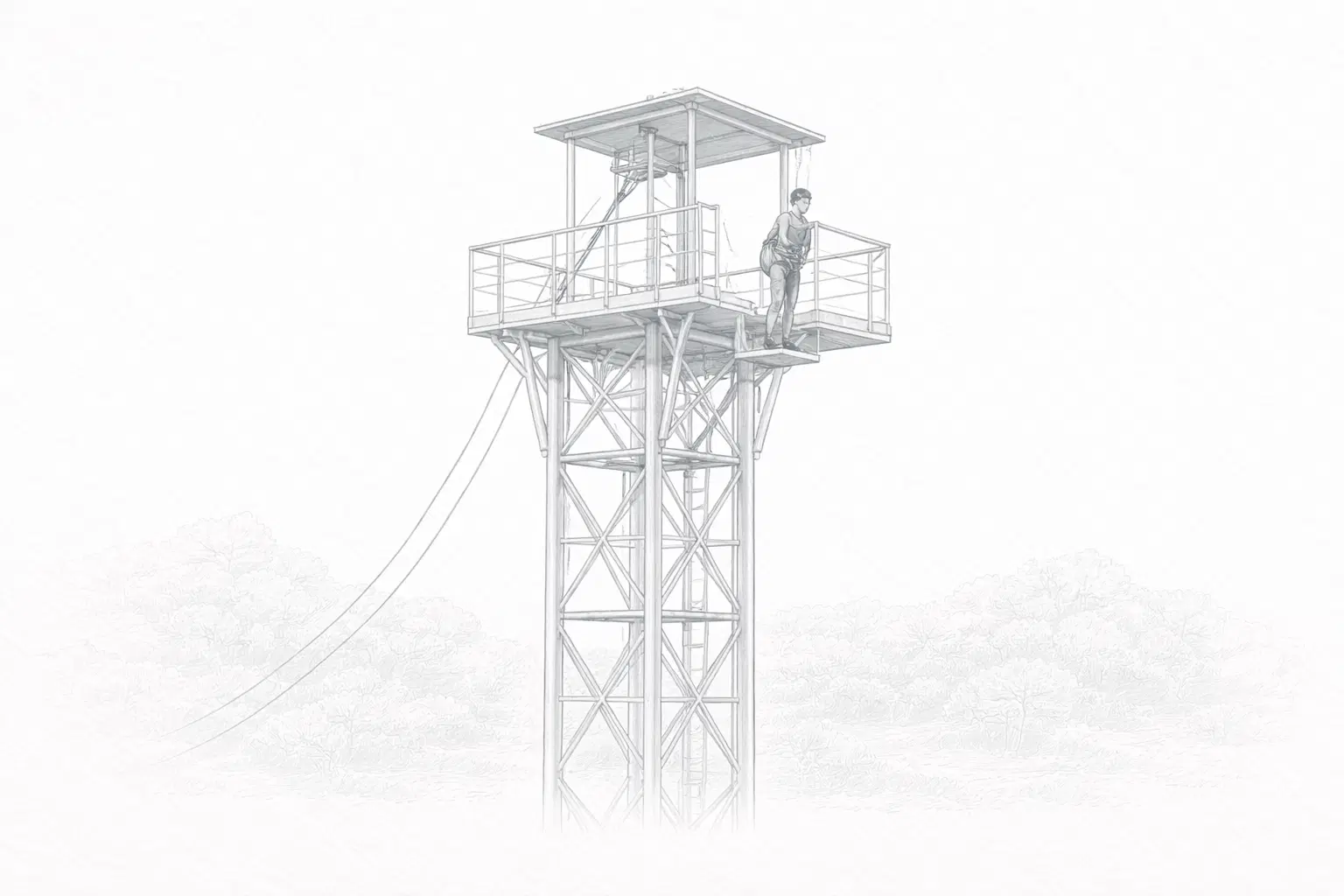
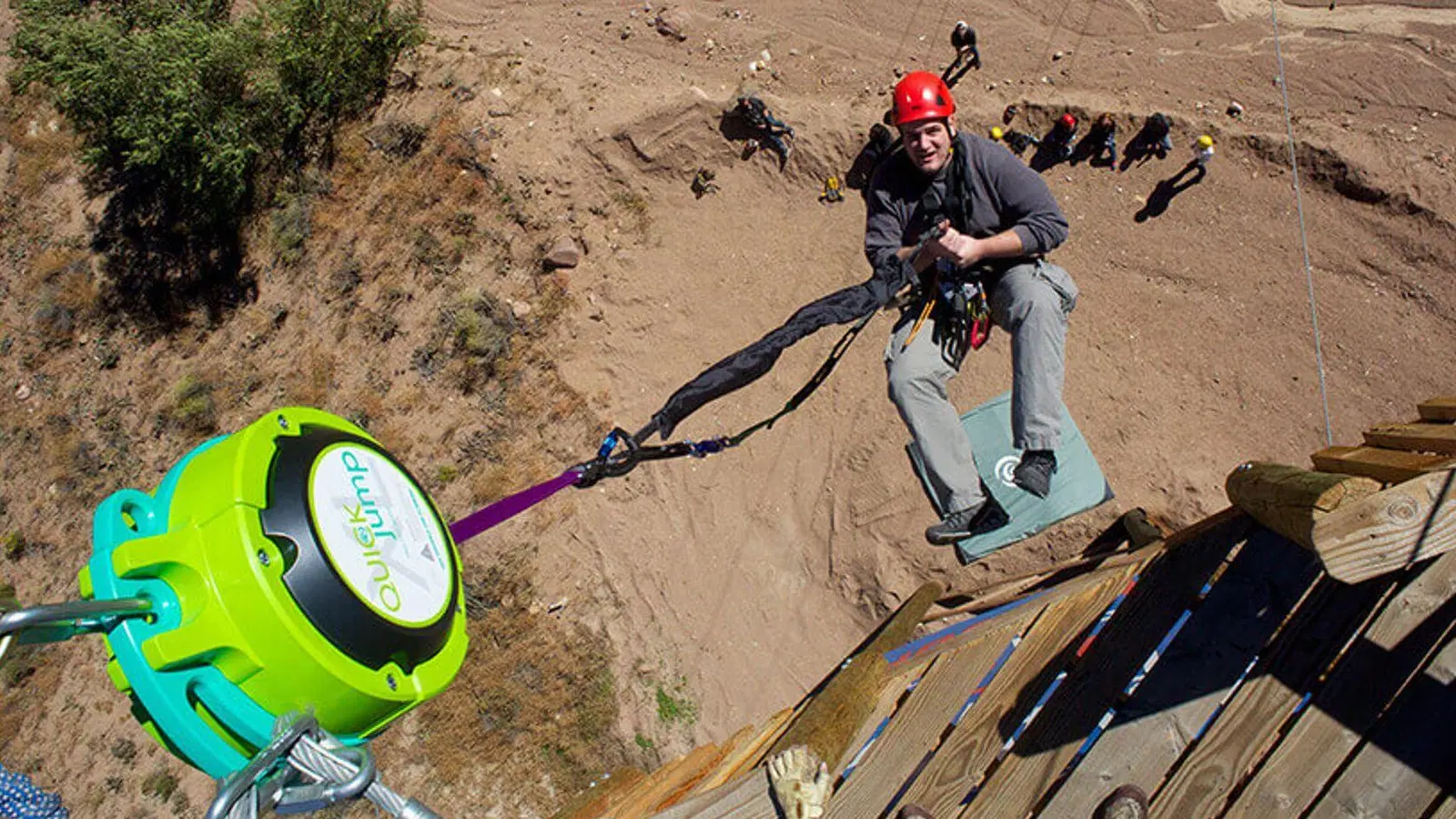
A quick jump is a controlled free-fall attraction: the rider steps off a platform at height, drops in a genuine free fall for a few metres, then is smoothly decelerated to the ground by a self-regulating magnetic descent device. It delivers the adrenaline of a leap with none of a bungee's rebound or operational complexity.

It matters because it adds a high-thrill "leap of faith" to a tower for a modest, largely plug-in cost — the device mounts on a structure you are already building (a zipline or multi activity tower), making it one of the fastest, highest-impact activities to add. OXO Planet installs the Head Rush QUICKjump across adventure parks, resorts and government tourism sites in India and Nepal.

OXO Quick Jump — By the Numbers

Head Rush USA
Powered by the QUICKjump auto-belay descent device.
5 states
Quick Jump setups across India (Sreenidhi, JSR Park, Miao and more).
70+ projects · 300+ activities
OXO Planet's track record across 100+ sites in 20+ states, India and Nepal.

Key Business Outcomes

  • High excitement-to-space ratio
  • Fast ride cycles enabling strong throughput
  • Compact installation suitable for limited sites
  • Strong impulse participation driven by visibility
  • Efficient integration with multi-activity towers
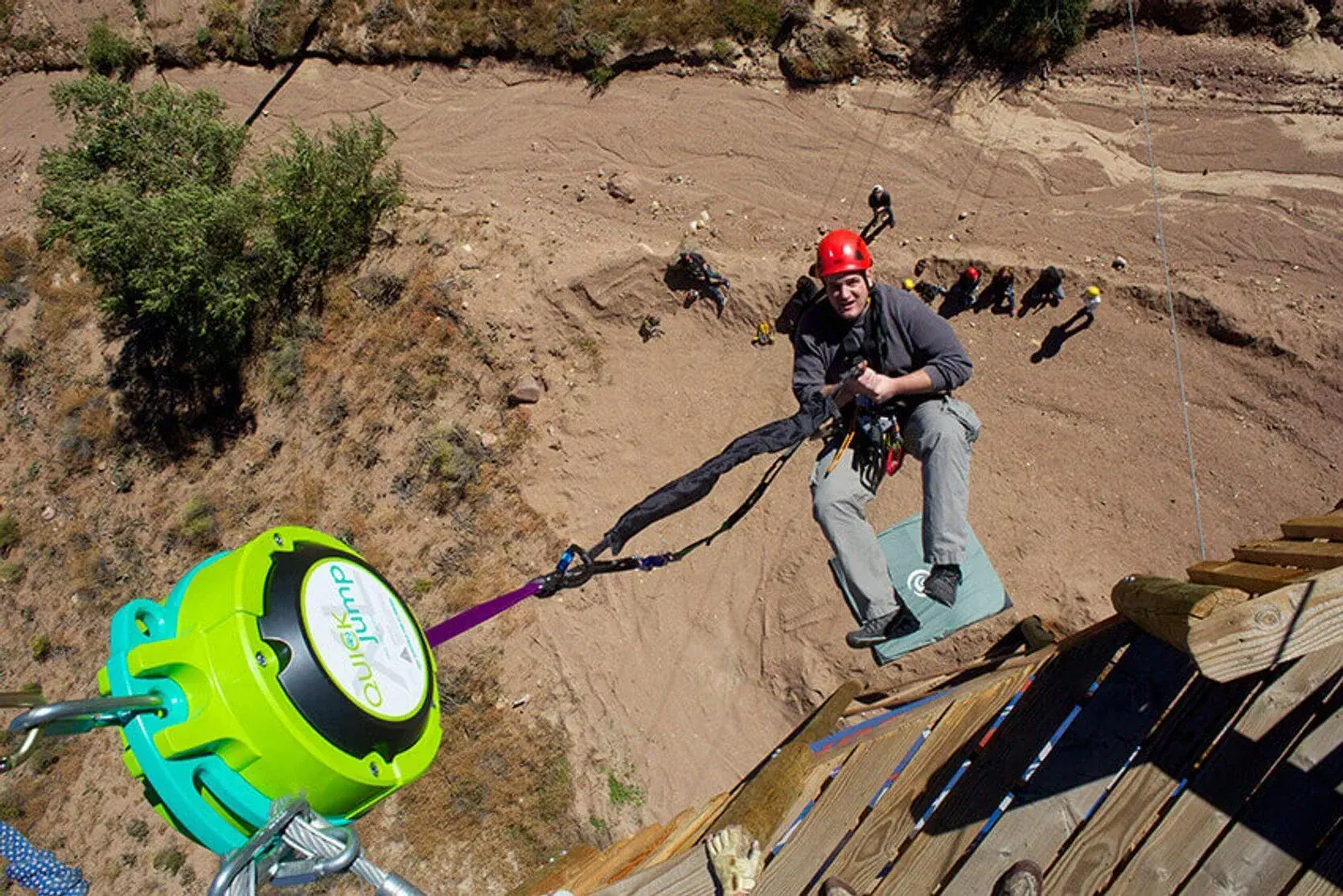
Quick Jump

Where This Works Best?

Adventure Parks
A signature high-thrill leap within the attraction mix.
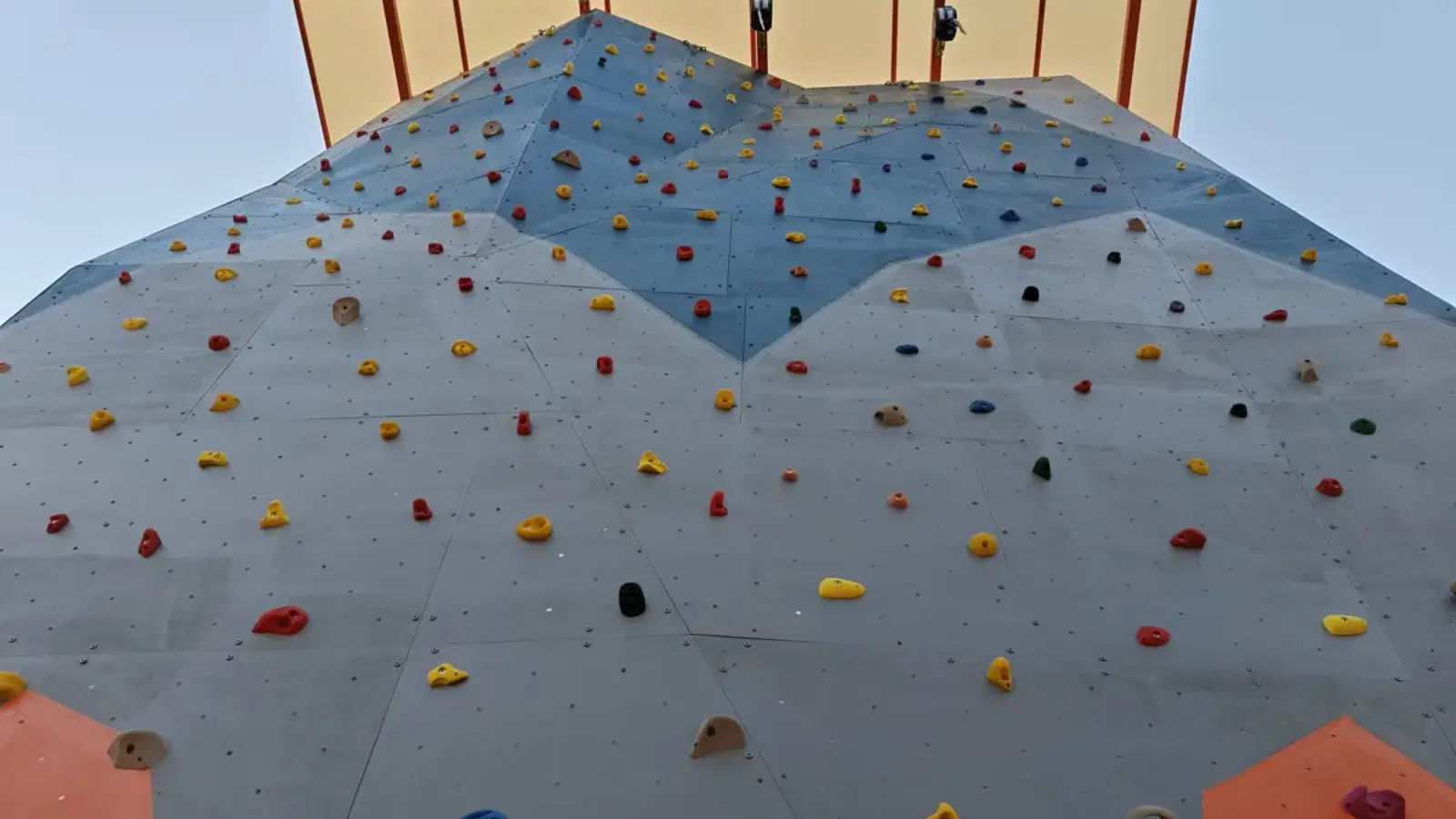
Multi Activity Towers
A natural add-on to the tower's upper decks.
Resorts & Camps
A compact adrenaline draw that lifts guest engagement.
Government & Tourism
A marquee thrill for a tourism circuit — delivered for the Water Resource Dept at Miao, Arunachal.

Types & Configurations

Standard Quick Jump (up to ~15 m)
The common resort and park height, run on a single Head Rush device.
Tall Quick Jump (above 15 m)
A higher leap for a stronger visual signature, using a higher-capacity device.
Tower-Integrated
Mounted on a multi activity tower's upper deck alongside other activities.
Zipline-Integrated
Mounted on a zipline launch tower.

Engineering & Core Components

Quick Jump
Head Rush QUICKjump Device
A self-regulating magnetic (eddy-current) braking unit allows a true free fall of up to ~4 m, then smoothly decelerates the rider with no operator-controlled braking.
Jump Platform & Gate
A controlled step-off platform with gating and clear rider positioning, engineered into the tower deck.
Structure & Fall Clearance
Mounted on a zipline or multi activity tower engineered to IS 800, with the drop zone kept clear and clearance calculated for the full jump height.
Harness & Attachment
The rider is secured in a harness attached to the device's retracting lifeline before stepping off.
Redundancy & Inspection
A certified device with self-checking braking, backed by daily pre-operation checks of harness, lifeline and attachment points.
Foundations to Site
Where the drop tower is standalone, RCC foundations to IS 456 are sized to the load.

Safety as a System

Physics, Not Operators
Descent speed is set by the device's self-regulating magnetic braking, not by an operator.
Certified Head Rush Device
A certified Head Rush unit with built-in redundancy and continuous self-check.
Daily Pre-Jump Checks
Device, lifeline, harness and attachment points are inspected before operations every day.
Controlled Platform & Fall Zone
Operator-led briefing and gate control at the platform, with a clear fall zone to the full jump height.
Projects We've Delivered
Implemented across adventure parks, resorts, and institutional recreation projects in India.

Indicative Quick Jump Cost in India (2026)

  • Quick Jump — 12 m devicefrom ~₹6 lakh
  • Quick Jump — 15 m device~₹8 lakh
  • Quick Jump — 22 m device~₹18 lakh
  • Pricing is for the Head Rush QUICKjump device plus technical equipment; the tower or zipline it mounts on is costed separately.
  • Jump height sets the device tier and is the main cost driver — the 22 m unit uses a higher-capacity magnetic braking device, hence the step up.
  • GST extra; structure, civil work and site development excluded.
  • The QUICKjump is a certified auto-belay descent device and requires periodic servicing and recertification per the manufacturer's schedule.
  • Installation is quick — about a week when added to an existing tower or zipline; the final price follows a site assessment.
Planning a Quick Jump? Let's Talk.
Share your site details and we'll help you assess the right device, height and indicative cost — at no obligation.

Where We've Built Quick Jump

OXO Planet installs the Head Rush QUICKjump across adventure parks, resorts and government tourism sites in India and Nepal, usually integrated onto a multi activity tower or zipline.

Featured Projects

“OXO added a quick jump to our tower and it became the signature thrill of the park.”JSR Park, Gorakhpur

FAQs on Quick Jump Setup

What is a quick jump?

A controlled free-fall attraction where a rider steps off a platform at height, free-falls a few metres, then is smoothly lowered to the ground by a self-regulating magnetic descent device (the Head Rush QUICKjump).

How much does a quick jump cost in India?

The Head Rush QUICKjump device with technical equipment costs under about ₹8 lakh for heights up to 15 m, and around ₹18 lakh above that. The tower or zipline it mounts on is costed separately. GST extra.

What device does OXO use for quick jump?

The Head Rush QUICKjump (USA), which uses self-regulating magnetic (eddy-current) braking to allow a true free fall of up to ~4 m before a smooth, controlled descent.

How high is a quick jump?

Commonly up to 15 m, with taller jumps above 15 m possible on a higher-capacity device. The Head Rush device supports mounting heights up to about 22 m.

How many riders per hour can a quick jump handle?

About 30 to 40 riders per hour.

How long does it take to install a quick jump?

About one week when mounted on an existing zipline or multi activity tower.

How much space does a quick jump need?

Around 25 sq m of clear area at the base of the tower, plus the drop clearance for the full jump height.

What are the rider requirements?

Riders should be 8 years or older and able to be safely fitted in a harness. The device is rated for roughly 20 to 130 kg.

Is a quick jump safe?

Yes — the descent is controlled by the device's self-regulating magnetic braking rather than an operator, on a structure engineered to IS 456 / IS 800 with ERCA-aligned practice, certified components and trained operators.

How much revenue can a Quick Jump generate?
Quick Jump is a fast-cycle, high-repeat attraction that operators run as a paid add-on to a tower or zipline, charged per jump. Its quick turnaround supports strong per-hour throughput and it raises the value of an existing tower without a large extra footprint. Actual returns depend on location, footfall and pricing — we can share indicative models during planning.

Related Climbing & Vertical

More activities in Climbing & Vertical — engineered for safety, throughput, and long-term operations. Explore other systems in this category built by OXO Planet.
Contact Us

Let’s start the adventure!

For project-level discussions, a brief call or WhatsApp conversation helps us understand your requirements faster and respond more accurately.

Say hello

Location

1st floor, C, 2/10, Block B, Mayapuri Industrial Area Phase II, Mayapuri, New Delhi, Delhi, 110064
We operate with a focused project team. For urgent queries, calling us ensures quicker response.