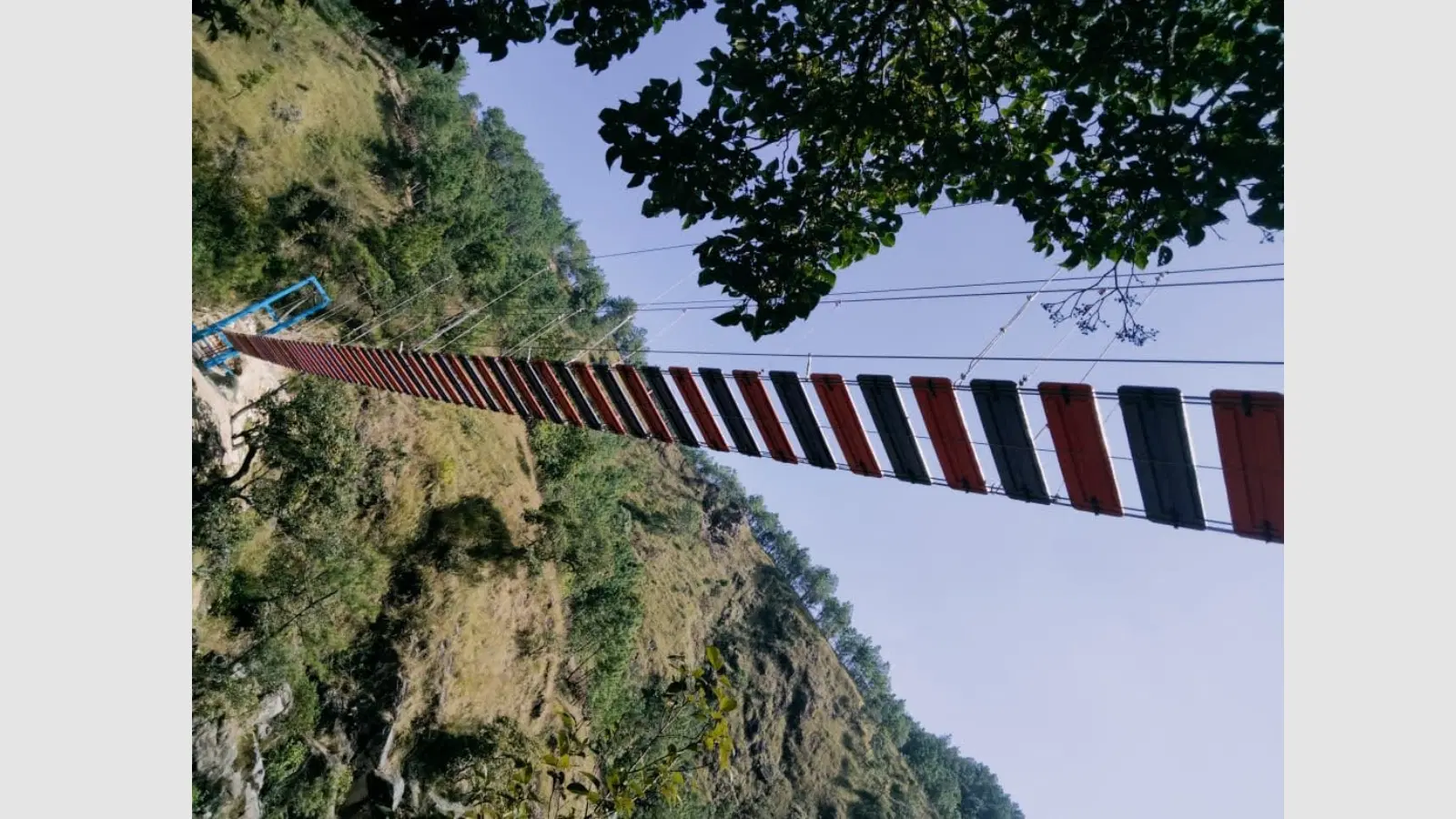
Canopy Walk & Burma Bridge Installation
Low-intensity aerial walkways enhancing scenic and experiential value. Designed for inclusive participation across age groups.
A canopy walk or Burma bridge is a low-intensity aerial experience designed to create a sense of elevation and immersion without high physical demand. These elements focus on balance, scenic movement, and experiential exploration rather than thrill.
It matters because they enable inclusive participation across age groups and fitness levels while enhancing the overall atmosphere and visual appeal of a site.
- Inclusive experience suitable for all ages
- High completion rates with minimal fear factor
- Strong scenic and experiential enhancement
- Low operational complexity
- Ideal as connector elements within larger parks
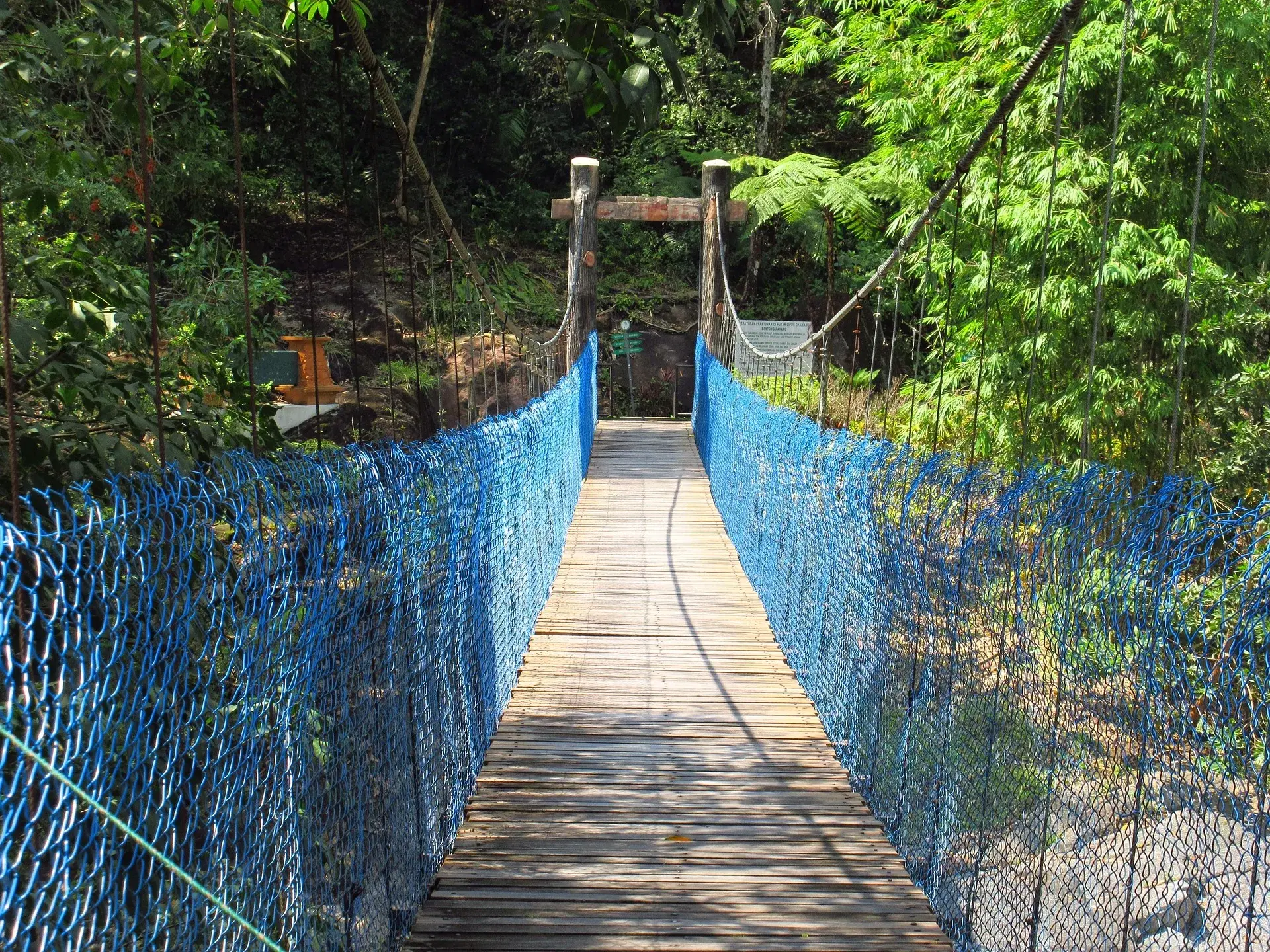
Nature Parks & Eco-Tourism Destinations
Elevated walking experiences designed to immerse visitors in forest, landscape, or canopy environments
Resorts & Leisure Retreats
Scenic attractions encouraging slow-paced exploration and premium guest engagement
Tourism Landmarks & Destination Projects
Signature elevated experiences adding visual appeal and visitor recall
Botanical Parks & Institutional Campuses
Low-intensity outdoor attractions suited for broad age groups and educational use
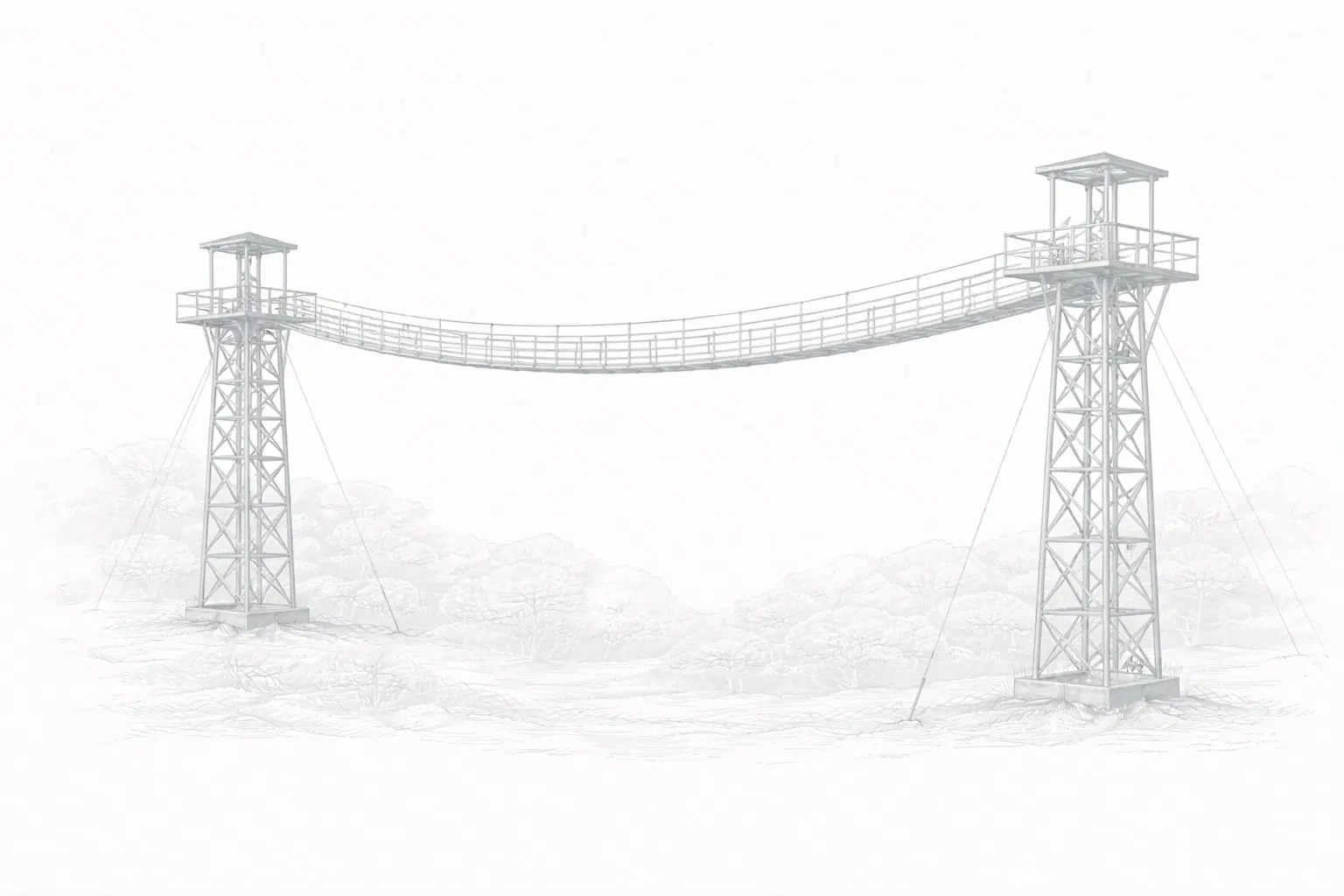
Elevated Walkway Structural Design
Walkway systems are engineered to support continuous pedestrian loads across elevated spans while maintaining stability and comfort.
Support Frame & Foundation Integration
Columns, trusses, or suspended support systems are designed based on terrain conditions, span requirements, and site access.
Decking & Surface Engineering
Walking surfaces are selected and detailed for slip resistance, durability, drainage, and long-term outdoor exposure.
Guardrail & Side Protection Systems
Protective railings, mesh, or barrier systems are integrated to maintain user safety without compromising the viewing experience.
Access & Entry Transition Design
Staircases, ramps, and entry points are engineered for smooth access, user flow, and safe transition onto the elevated path.
Viewing & Experience Integration
Layout planning may include widened decks, pause points, and scenic viewing nodes to enhance visitor engagement.
Conservative Elevated Structure Design
Walkways and support systems are engineered with high safety margins to manage pedestrian loading, environmental exposure, and long-term structural performance.
Routine Walkway & Railing Inspections
Decking surfaces, guardrails, mesh protections, and connection points are checked regularly for wear, looseness, and weather-related deterioration.
Controlled User Movement
Entry, crossing direction, and user flow are managed operationally to avoid overcrowding and maintain a comfortable walking experience.
Slip-Resistance & Surface Safety Management
Walking surfaces are selected and maintained to reduce slip risk under outdoor operating conditions, including moisture and dust exposure.
Clear Supervision & Emergency Access
Layout planning supports visual supervision, controlled access, and practical evacuation response where required.
Projects We've Delivered
Implemented across adventure parks, resorts, and institutional recreation projects in India.
- Standard Canopy Walk₹25–60 lakh
- Premium / Long-Span Canopy Walk₹60 lakh – ₹1.5 crore+
- Span length and elevation affect structural cost
- Steel support systems and foundations are major cost drivers
- Curved layouts, viewing decks, and themed finishes increase pricing
- How much space is required to install a canopy walk or Burma bridge in India?
- Can canopy walks or Burma bridges be installed on flat land or only in forested areas?
- What approvals or permissions are required for canopy walks or Burma bridges in India?
- Are canopy walks and Burma bridges safe for public use in Indian conditions?
- Can canopy walks and Burma bridges operate year-round in Indian weather?
- What kind of maintenance does a canopy walk or Burma bridge require?
- Who can operate and supervise a canopy walk or Burma bridge on a daily basis?
- What factors should be considered while planning a canopy walk or Burma bridge project in India?
A smarter way to build adventure experiences — engineered for safety, throughput, and long-term operations. Since 2019, OXO Planet has delivered turnkey adventure infrastructure across resorts, schools, defence, tourism destinations, and entertainment venues — from design + fabrication to installation, training, and audits.
Activities We Make
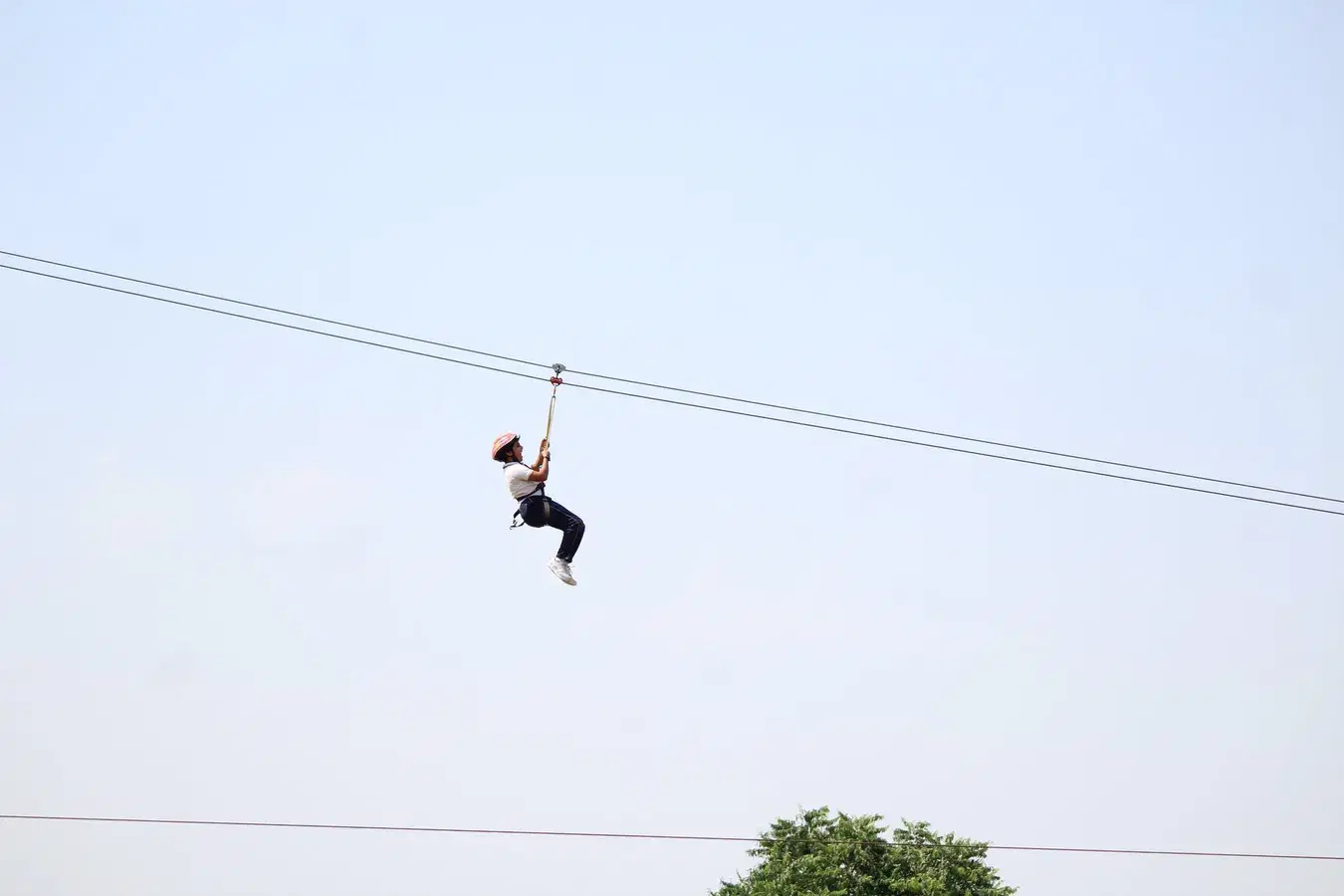
Contact Us
Let’s start the adventure!
For project-level discussions, a brief call or WhatsApp conversation helps us understand your requirements faster and respond more accurately.
Say hello
+91 83688 80831
Location
1st floor, C, 2/10, Block B, Mayapuri Industrial Area Phase II, Mayapuri, New Delhi, Delhi, 110064