Professional Climbing Wall Design & Installation

Professional Climbing Wall Design & Installation

Vertical sport and training systems supporting skill progression. Designed for gyms, schools, adventure parks, resorts, and defence establishments seeking a repeat-use, coaching-ready climbing facility. Installed across India since 2019.

What It Is & Why It Matters

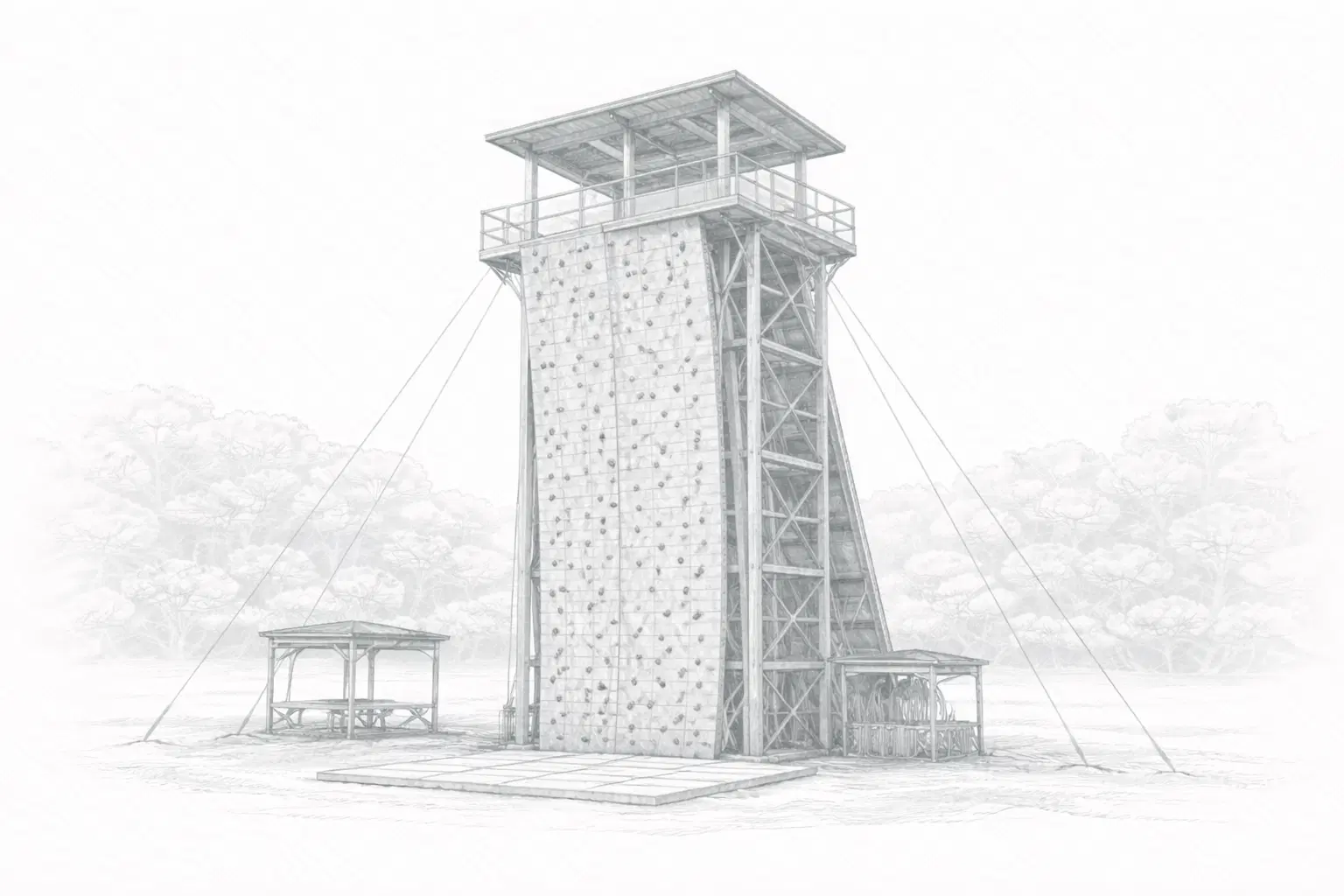
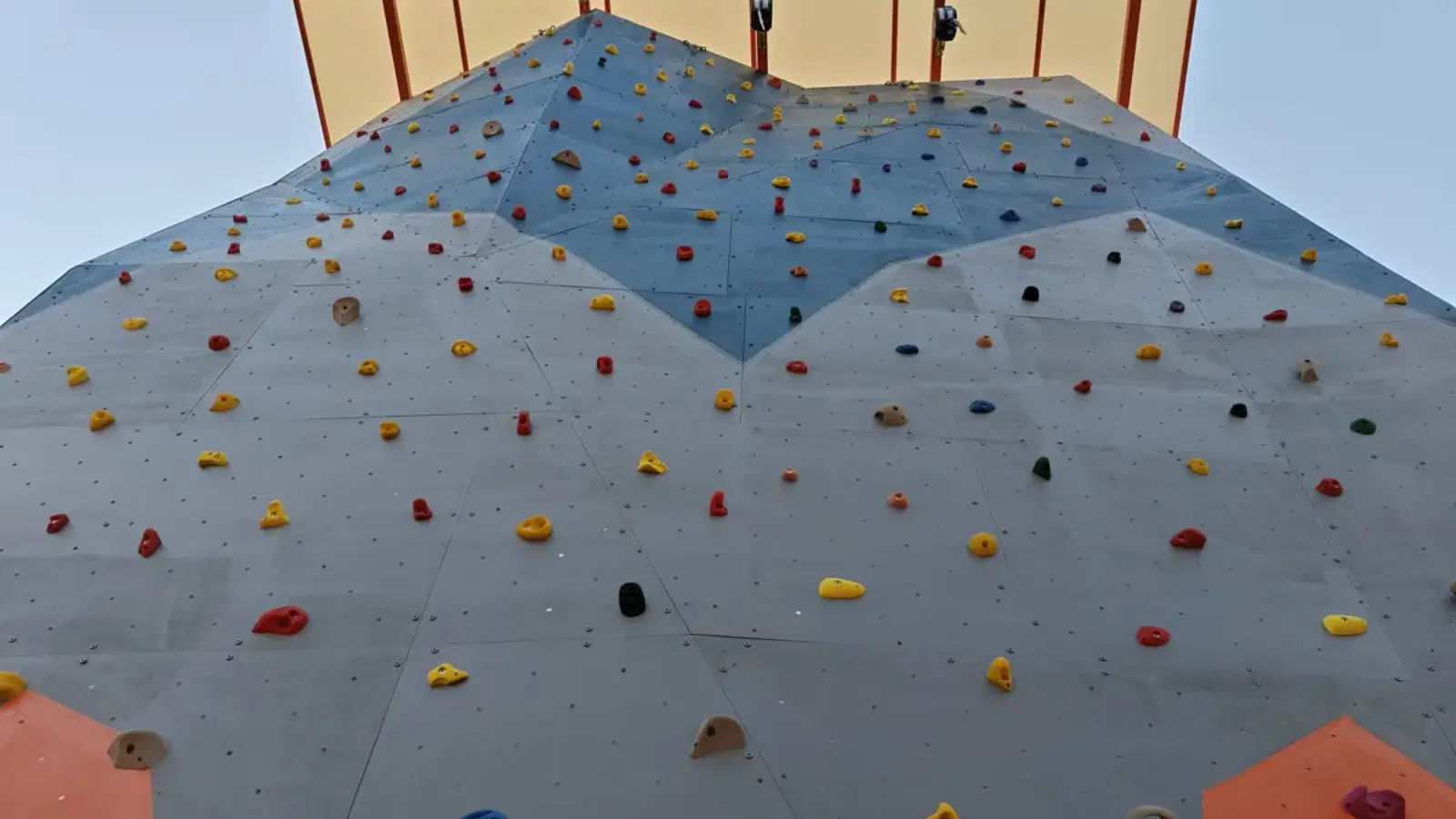
A professional climbing wall is a vertical sport and recreation system designed to develop strength, technique, and confidence through structured climbing routes. Unlike single-use thrill attractions, climbing walls support skill progression, training programs, and long-term user engagement.

It matters because climbing walls create repeat users, support memberships and coaching programs, and establish a destination as a credible climbing or sports facility rather than a one-time experience venue.

Key Business Outcomes

  • Strong repeat participation and membership potential
  • Suitability for coaching, training, and competitions
  • Broad appeal across age groups and skill levels
  • Efficient use of vertical space in limited footprints
  • Long operational life with modular route updates
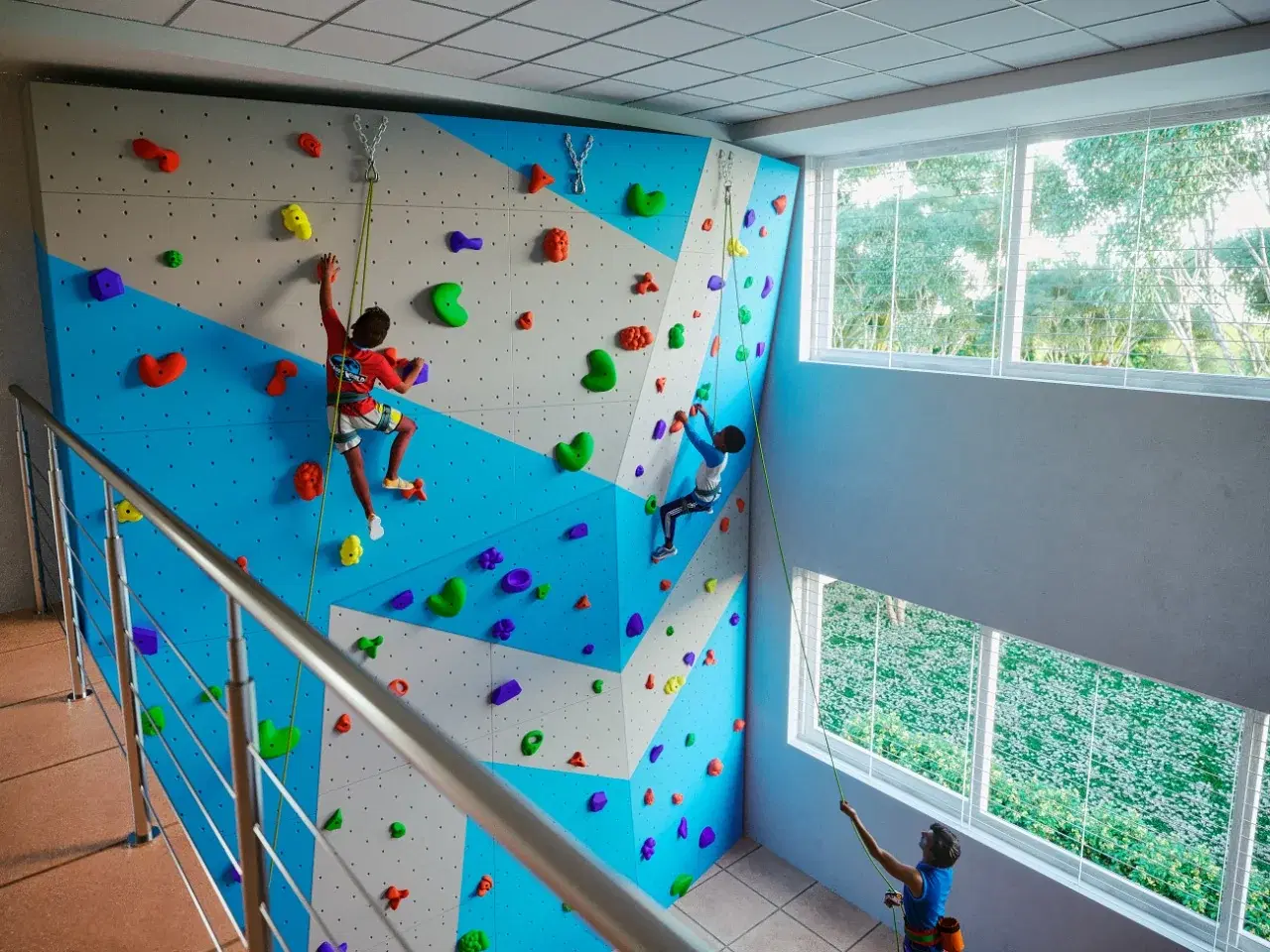
Climbing Wall

Where This Works Best?

Indoor Sports Facilities
Structured training and progression environments
Adventure Parks
Skill-based vertical attractions
Educational Institutions
Physical development and confidence programs
Urban Recreation Centres
Space-efficient vertical sports solutions

Types & Configurations

01. Top-Rope Climbing Wall
Vertical climbing systems using fixed ropes, suitable for beginners, training programs, and recreational use.
02. Lead Climbing Wall
Advanced climbing formats allowing climbers to clip protection as they ascend, designed for experienced users.
03. Speed Climbing Wall
Standardised wall layouts focused on timed ascents and competitive climbing formats.
04. Traverse Wall (Horizontal Climbing)
Low-height lateral climbing systems enabling continuous movement without vertical ascent.

Engineering & Core Components

Climbing Wall
Wall Structure Engineering
Wall systems are designed to support vertical loads and climbing forces.
Surface & Hold Integration
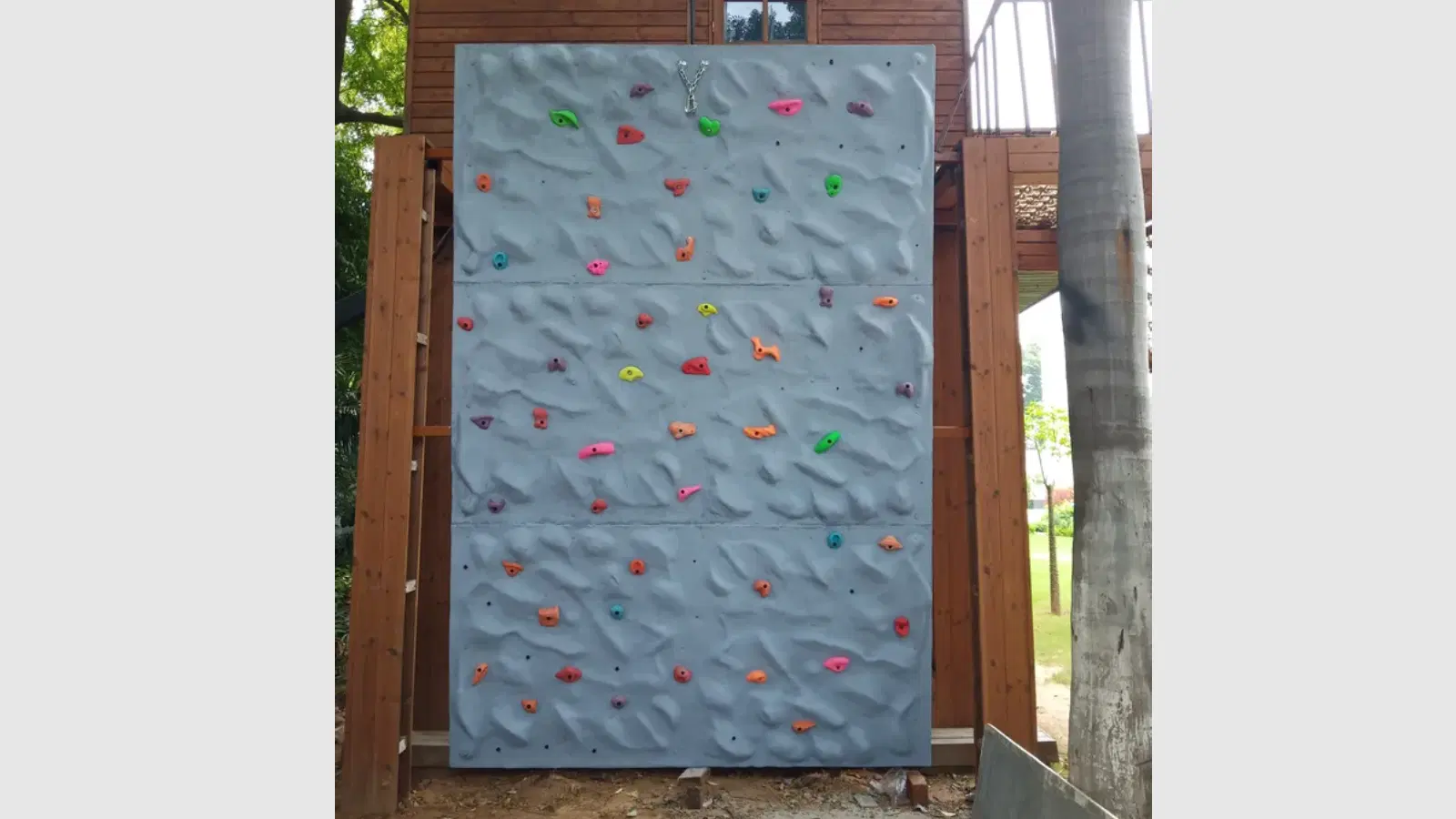
Holds and panels are integrated to support varied climbing routes.
Belay & Safety System Interfaces
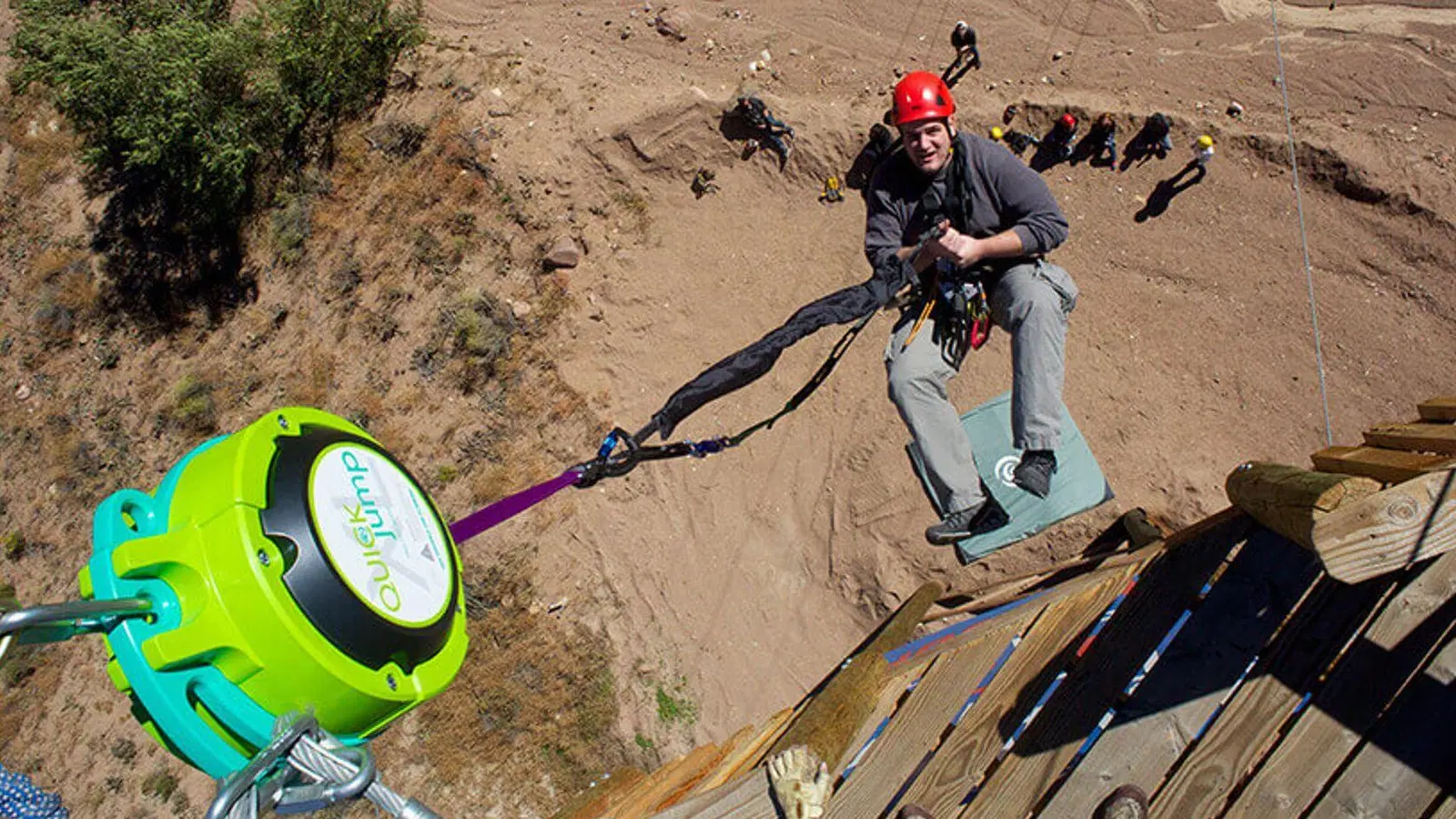
Safety systems are incorporated into wall geometry.
Route Flexibility Design
Layouts allow route changes without structural modification.

Safety as a System

Structural Stability Design
Wall systems are engineered for vertical load handling.
Routine Hold & Surface Checks
Holds and panels are inspected regularly.
Belay System Verification
Safety systems are checked before use.
Instructor-Led Supervision
Climbers are monitored throughout sessions.
Projects We've Delivered
Implemented across adventure parks, resorts, and institutional recreation projects in India.

Indicative Climbing Wall Installation Cost in India

  • Standard Climbing Wall₹12–45 lakh
  • Tall / Multi-Route Wall₹45–90 lakh
  • Height and width affect cost
  • Panel type impacts cost
  • Climbing walls built on existing walls reduce cost
  • Automatic belay system increases cost

Where We've Built Climbing Walls

Installed across gyms, schools, defence establishments, and private facilities in India.

  • 9 Para Regiment — Udhampur, Jammu & Kashmir (18m × 16m defence climbing wall with slithering setup)
  • ITBP (Indo-Tibetan Border Police) — Khurda, Odisha (India's largest portable climbing wall, 12m × 8m, three-faced)
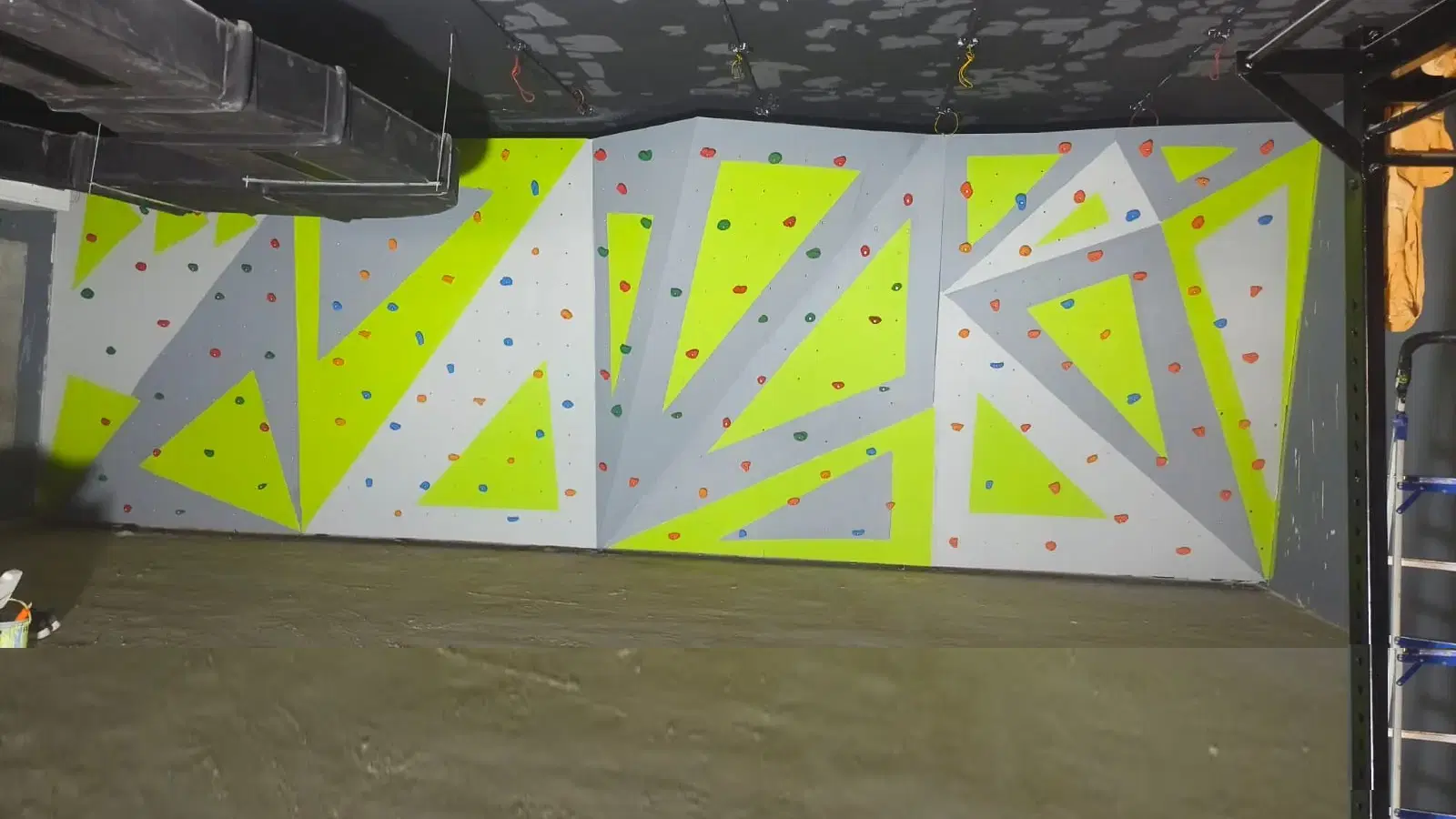
  • OutisOut — Hailey Road, New Delhi (15 ft × 40 ft designer indoor climbing wall for a luxury residence)
  • Orchids School — Gurugram, Haryana (30 ft × 18 ft school climbing wall with international geometry)
  • MMA Matrix Gym — Amritsar, Punjab (17 ft × 26 ft all-black gym climbing wall, built in 3 weeks)
  • Fitkits Gym — Chennai, Tamil Nadu (10 ft × 32 ft traverse climbing wall for functional fitness)
  • MSPL Baldota Group — Hosapete, Karnataka (26 ft × 14 ft custom wall for a private gym)
  • Ambuja Neotia — Kolkata, West Bengal (combined climbing + bouldering wall for premium residential society)

FAQs on Climbing Wall Setup

How much space is required to install a climbing wall in India?

A climbing wall requires wall space proportional to its height and width. A basic training wall starts from 4 metres high and 3 metres wide, while larger competition or multi-pitch walls can extend to 10 metres or more in height. Adequate floor space in front of the wall is required for belaying, spotting, and crash mat placement. Final requirements are confirmed after site assessment and design planning.

Can a climbing wall be installed indoors, outdoors, or both?

Yes, climbing walls can be installed both indoors and outdoors. Indoor walls offer year-round usability, controlled conditions, and are preferred for gyms, schools, and training facilities. Outdoor walls are suited for adventure parks, resorts, and institutional campuses where weather is manageable. Material and surface specifications differ between indoor and outdoor installations.

What approvals or permissions are typically required for a climbing wall in India?

Climbing wall installations in India typically do not require specific national licences. Structural modifications to buildings or walls may require local municipal approvals. For institutional or defence establishments, internal safety and infrastructure approvals are standard. Standalone outdoor structures may require local municipal permissions depending on state regulations.

Is a climbing wall safe for beginners and first-time users?

Yes, climbing walls are safe for beginners when properly designed with appropriate route difficulty levels, auto-belay or supervised belay systems, and crash mat coverage at the base. Route design is graded by difficulty, allowing new users to start at low heights and progress over time. Trained supervision is essential for safe first-time participation.

Can climbing walls operate year-round in Indian conditions?

Indoor climbing walls can operate year-round without weather-related interruption. Outdoor climbing walls may require operational pauses during heavy rain or extreme heat, as wet surfaces affect grip and safety. Surface coatings and hold materials are selected based on expected climate conditions during the design phase.

What kind of maintenance does a climbing wall require?

Climbing wall maintenance includes regular inspection and tightening of holds, checking panel connections and structural fixings, inspecting belay anchor points, and cleaning surfaces. Holds and high-contact areas require routine monitoring for wear and damage. Route changes — which are part of normal operations — also involve periodic hold rotation and resetting.

Who can operate and supervise a climbing wall on a daily basis?

Climbing walls are operated by trained instructors or supervisors who handle participant briefing, belay system checks, route supervision, and basic emergency response. For auto-belay equipped walls, supervision requirements are lower. Staff do not require a specialised engineering background but must be trained in climbing safety protocols before operating.

What factors should be considered while planning a climbing wall project in India?

Key planning factors include target user age group and skill level, wall height and angle, indoor versus outdoor location, belay system type (auto-belay or supervised), route complexity, available floor and wall space, and long-term maintenance planning. Whether the facility targets recreational users, school programmes, or competitive climbers significantly shapes the structural and route design approach.

A smarter way to build adventure experiences — engineered for safety, throughput, and long-term operations. Since 2019, OXO Planet has delivered turnkey adventure infrastructure across resorts, schools, defence, tourism destinations, and entertainment venues — from design + fabrication to installation, training, and audits.

Activities We Make

Contact Us

Let’s start the adventure!

For project-level discussions, a brief call or WhatsApp conversation helps us understand your requirements faster and respond more accurately.

Say hello

Location

1st floor, C, 2/10, Block B, Mayapuri Industrial Area Phase II, Mayapuri, New Delhi, Delhi, 110064
We operate with a focused project team. For urgent queries, calling us ensures quicker response.