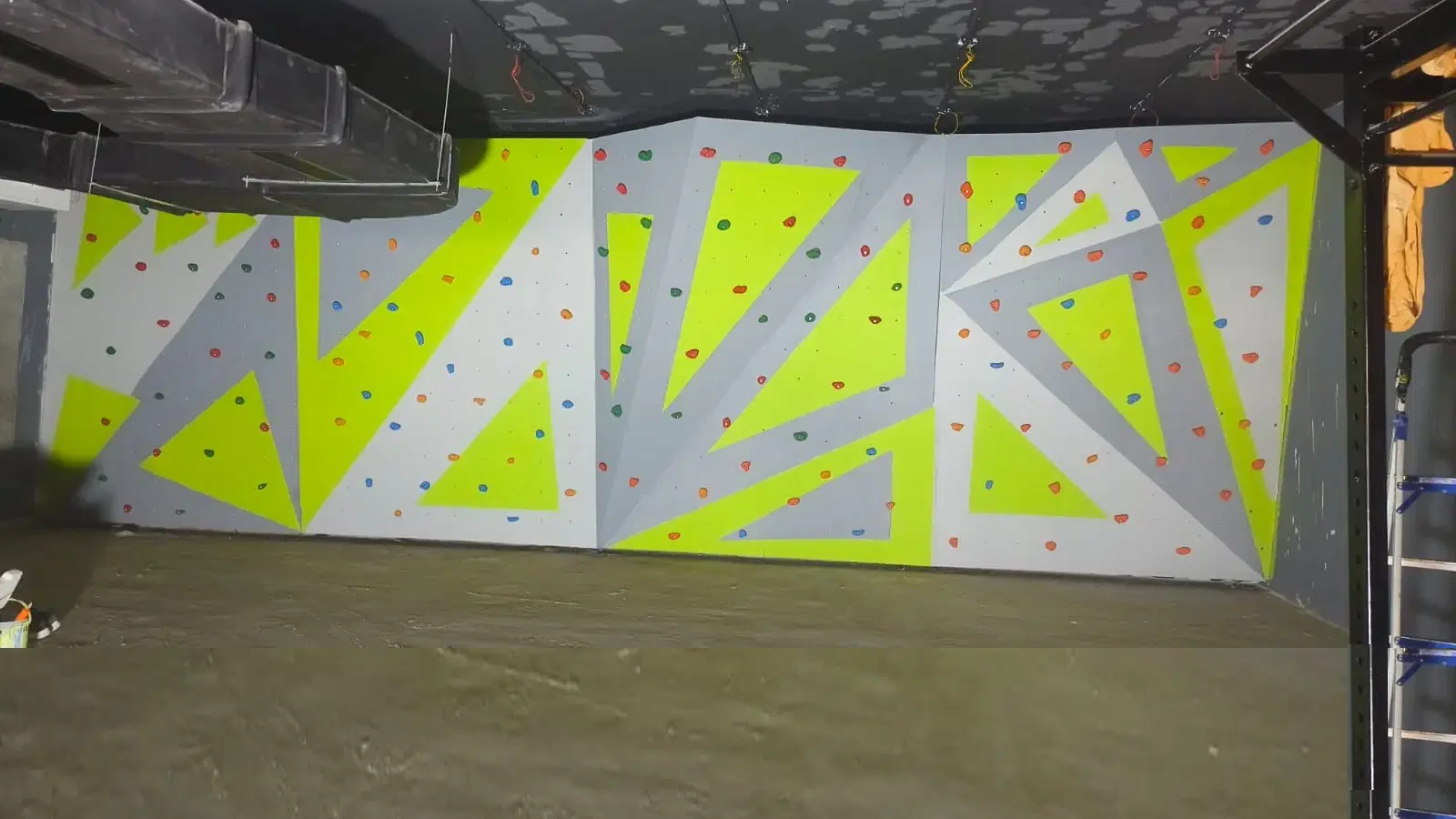
Bouldering Wall Design & Setup
Rope-free, low-height climbing systems focused on technique, problem-solving, and movement. Designed for gyms, schools, resorts, urban entertainment centres, and residential communities. Built to EN 12572 structural and safety standards. Installed across India since 2019.
A bouldering wall is a low-height climbing system focused on technique, problem-solving, and movement rather than vertical height. It eliminates the need for ropes, relying on controlled fall zones and matting.
It matters because bouldering delivers high engagement with minimal equipment complexity, making it especially suitable for urban locations, indoor facilities, and beginner-friendly environments.
- Fast participant turnover with minimal setup time
- Lower operational complexity compared to roped climbing
- Strong appeal among youth and fitness-focused users
- Compact footprint suitable for indoor and urban sites
- Easy route changes to encourage repeat visits
Urban Indoor Facilities
Compact climbing zones without rope systems
Youth & Fitness Centres
Technique-focused movement environments
Beginner Training Spaces
Low-height, approachable climbing formats
Mixed-Use Developments
Casual climbing attractions with repeat use
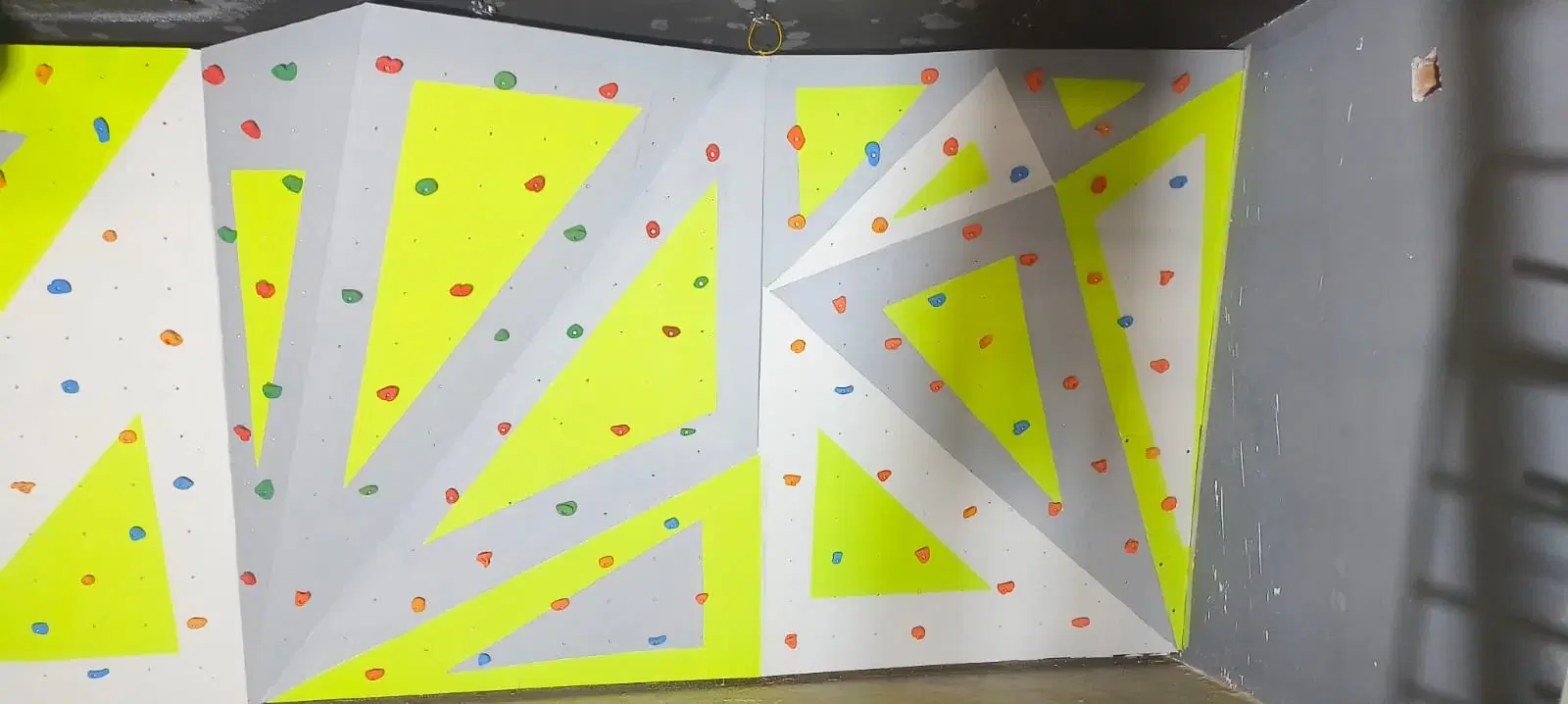
Standard Bouldering Wall
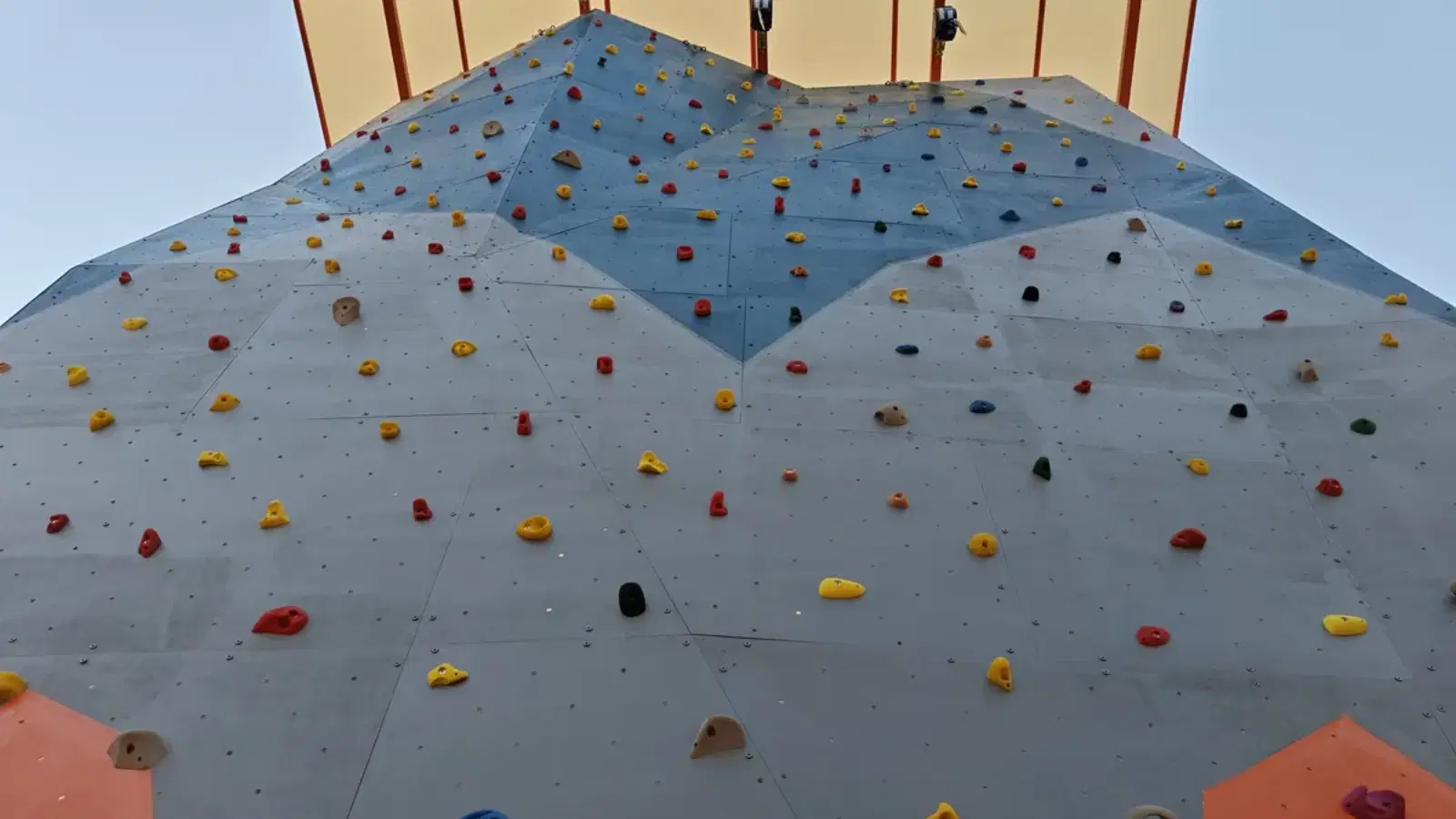
Freestanding or wall-mounted structure typically 3.5–4.5m high with varied angles — vertical, overhang, and slab sections. The most common format for gyms, schools, and resorts. Routes are set using coloured holds and reset periodically to maintain engagement.
Traverse Wall (Horizontal Bouldering)
Low-height wall (typically 2– 3 m) designed for lateral movement rather than vertical ascent. Ideal for functional fitness, school programmes, and space-constrained environments. No crash mat depth requirement is as high as vertical bouldering. Used in gym warm-up zones and school PE facilities.
Competition / Kilter-Style Bouldering Wall
Steep, adjustable-angle wall sections (90°–145° overhang) designed for advanced problems and competition formats. Features moonboard-style LED hold systems or adjustable panel rigs. Suited for climbing gyms seeking a performance and competition identity.
Portable / Modular Bouldering Wall
Flat-pack modular panels designed for temporary or relocatable setups — used for brand activations, college campuses, event installations, and phased facility buildouts. Panels bolt together on-site and can be disassembled and moved as needed.
Low-Height Structural Design
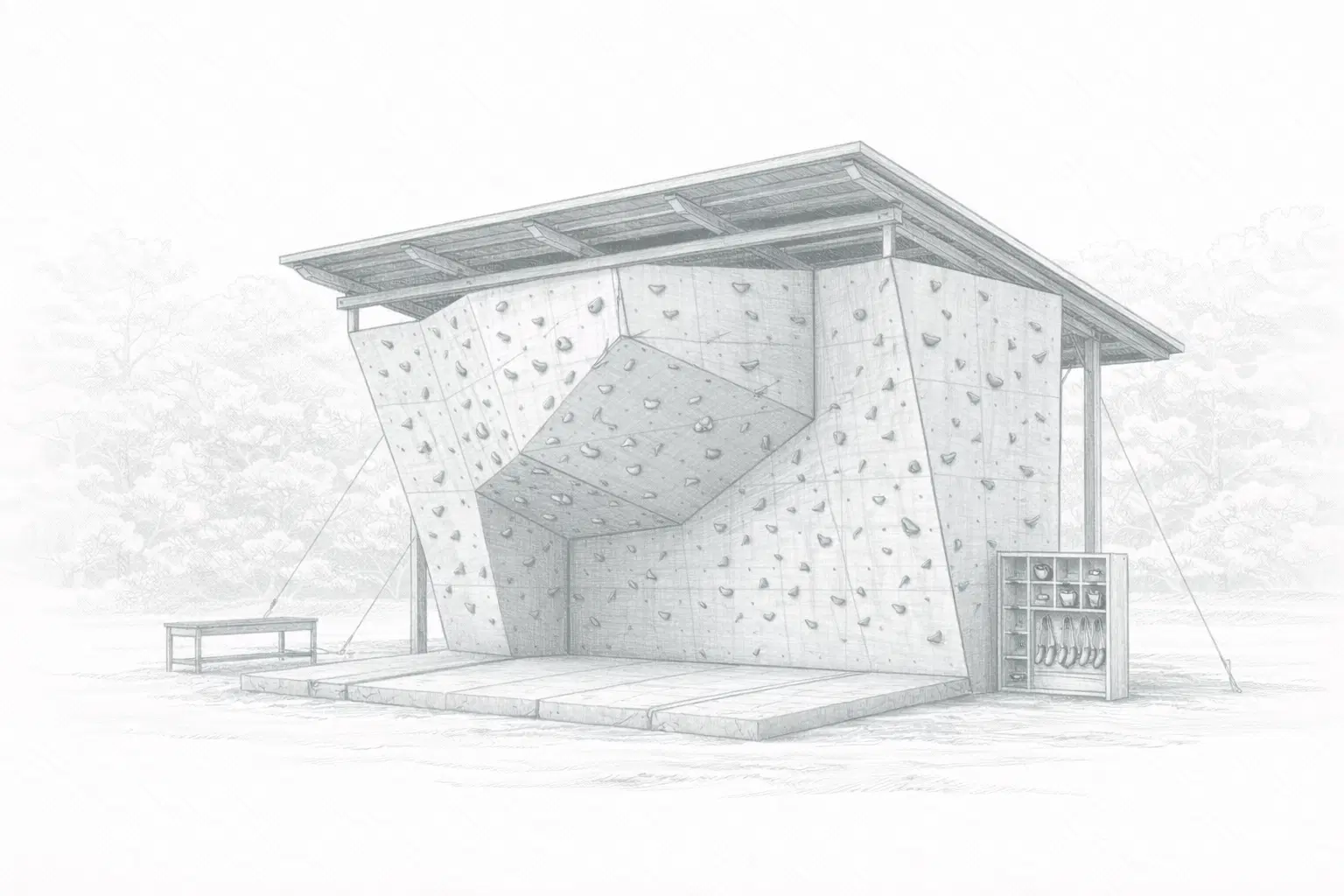
Bouldering wall frames are engineered in structural steel or aluminium to carry dynamic climbing loads per EN 12572-1 specifications. Wall heights are typically set between 3.5–4.5m with base footings designed for freestanding stability or wall-anchored configurations depending on site conditions.
Surface Contouring & Panel System
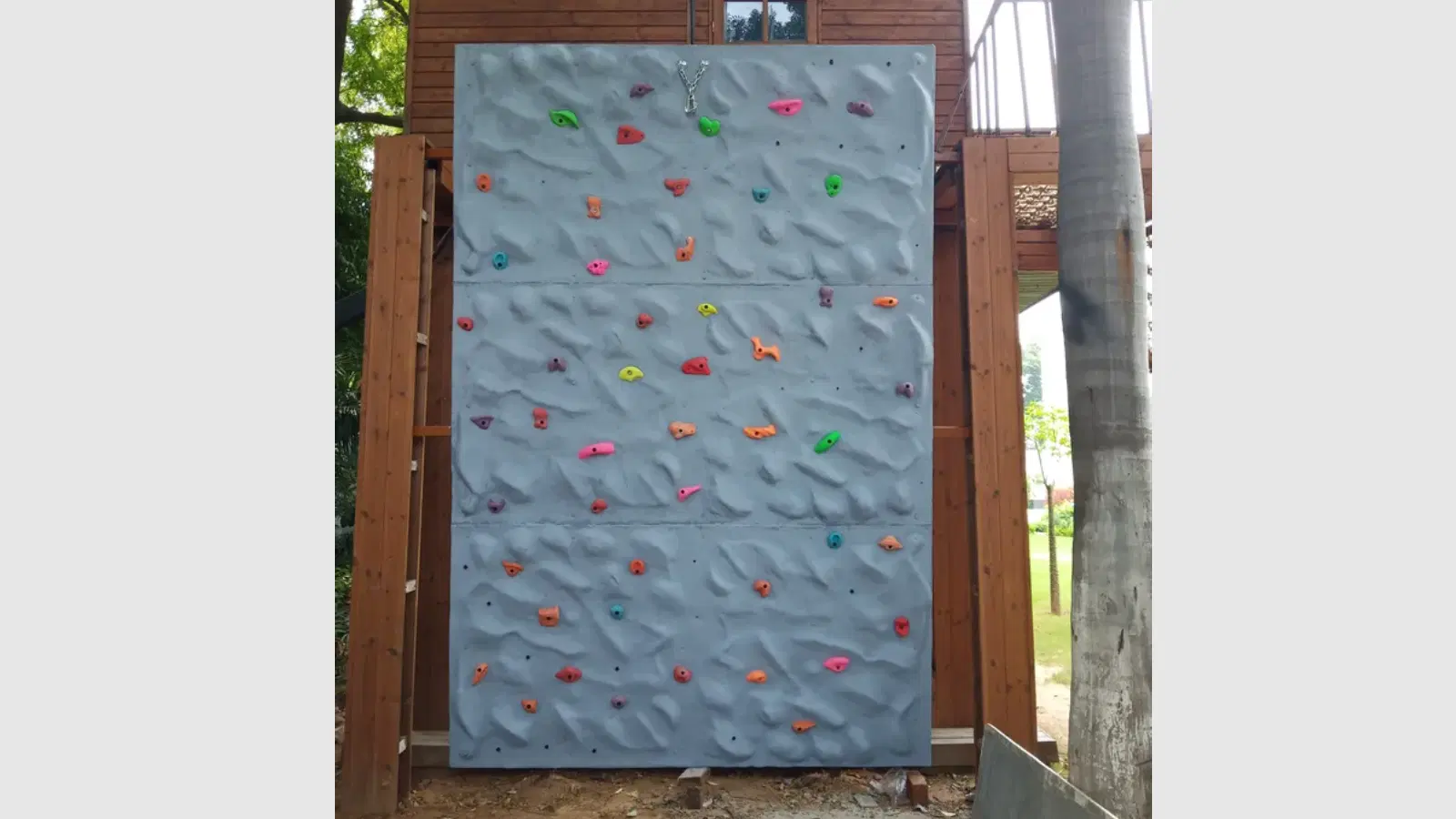
Panels are fabricated from 15–18mm HDPE or glass-fibre reinforced plastic (GRP) with embedded T-nut grids at standard 20cm spacing. Panel angles range from vertical (90°) to steep overhangs (up to 145°) to create varied movement challenges. Textured surfaces provide grip without requiring chalk on lower-difficulty routes.
Impact Zone & Crash Mat Engineering
Landing zones are engineered with EN 12572-3 compliant crash matting — minimum 300mm compressed depth — covering the full fall zone beneath and in front of the wall. Mat density, coverage area, and edge treatment are specified per wall height and overhang projection to ensure safe unassisted falls at all grades.
Route Flexibility & Hold System
T-nut grids embedded across all panel surfaces allow holds to be placed, rotated, and removed without drilling or panel replacement. Standard installations include 150–300 holds across difficulty grades (beginner to advanced), with route-setting as part of ongoing operations. Route resets typically occur every 4–8 weeks to maintain user engagement.
Low-Height Design Philosophy
Wall heights are fixed between 3.5–4.5m — the engineered safe fall height for rope-free climbing with compliant matting. This eliminates the need for belay systems while keeping fall forces within safe limits per EN 12572-3 impact absorption requirements.
Impact Zone Maintenance
Crash mats are inspected daily for compression, tears, and displacement. Mat density is checked monthly to confirm EN 12572-3 compliance. Mats must not be compressed below the minimum 300mm depth threshold under load — replacement intervals are scheduled proactively based on usage volume.
Route Visibility & Flow Control
Route colour-coding using the Fontainebleau grading scale (V0 through V8+) ensures climbers self-select appropriate difficulty levels. Wall layouts are designed with clear visual separation between routes and defined landing zones, reducing mid-route congestion and uncontrolled fall risk.
Active Supervision Control
Supervisors enforce one-climber-per-problem rules during peak hours, monitor mat displacement in real time, and conduct participant briefings before first climbs. Staff are trained in basic first aid and fall response. For schools and children's facilities, a minimum supervisor-to-climber ratio of 1:8 is recommended.
Projects We've Delivered
Implemented across adventure parks, resorts, and institutional recreation projects in India.
- Compact Bouldering Wall₹12–25 lakh
- Advanced Terrain Wall₹25–50 lakh
- Surface geometry increases cost
- Crash mat area impacts pricing
Installed across gyms, residential communities, and brand activation events in India.
- Fitkits Gym — Chennai, Tamil Nadu — 10 ft × 32 ft traverse climbing wall for functional fitness training
- Ambuja Neotia — Kolkata, West Bengal — combined climbing + bouldering wall for a premium residential society
- Mountain Dew — Pan-India — traverse climbing walls across 20+ colleges in 5 states for brand activation
A smarter way to build adventure experiences — engineered for safety, throughput, and long-term operations. Since 2019, OXO Planet has delivered turnkey adventure infrastructure across resorts, schools, defence, tourism destinations, and entertainment venues — from design + fabrication to installation, training, and audits.
Activities We Make

Contact Us
Let’s start the adventure!
For project-level discussions, a brief call or WhatsApp conversation helps us understand your requirements faster and respond more accurately.
Say hello
+91 83688 80831
Location
1st floor, C, 2/10, Block B, Mayapuri Industrial Area Phase II, Mayapuri, New Delhi, Delhi, 110064