Quick Jump Controlled Free-Fall Installation

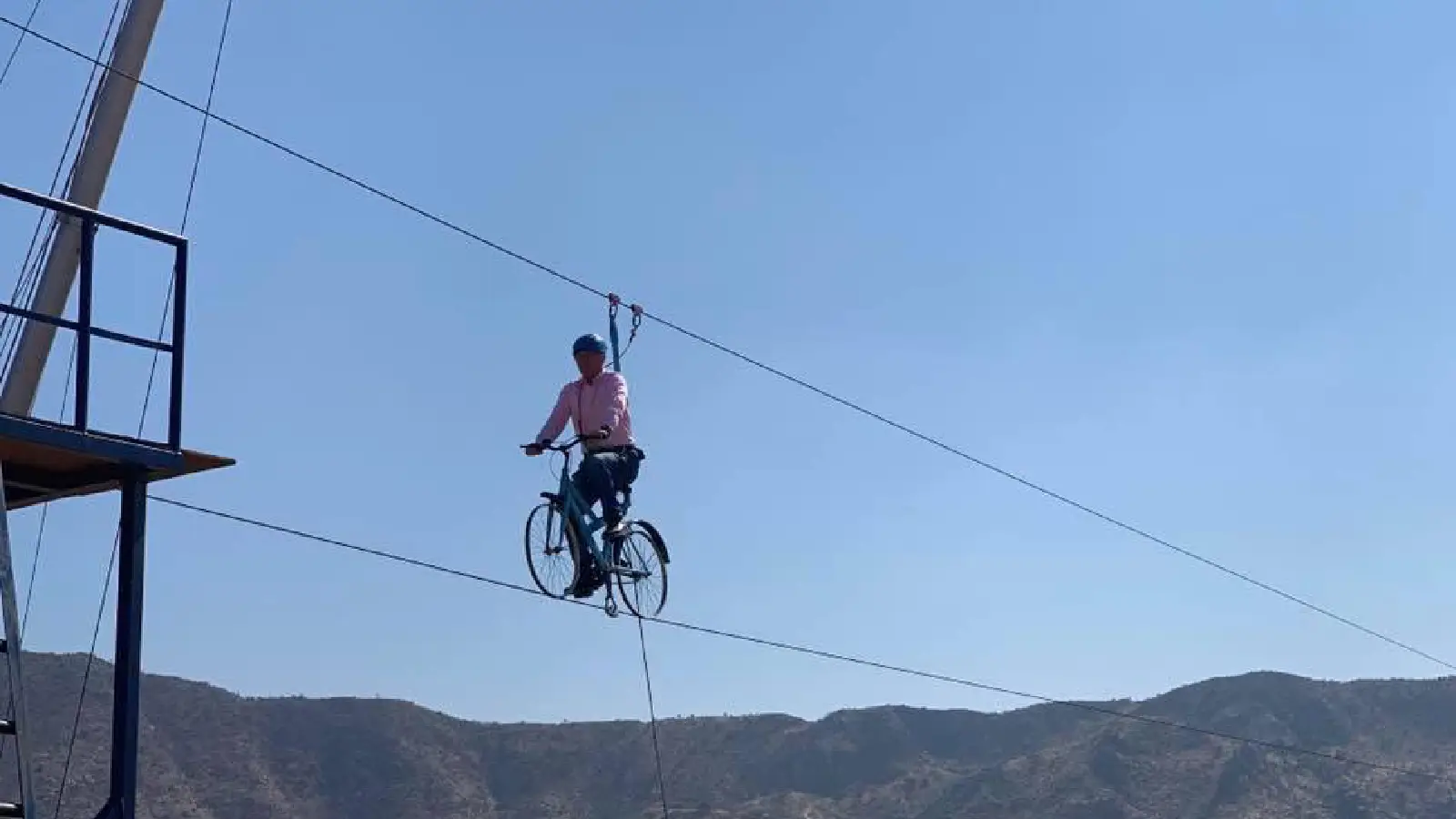
Automated free-fall systems delivering high perceived thrill in compact spaces. Designed for towers, buildings, and multi-activity adventure setups.

What It Is & Why It Matters

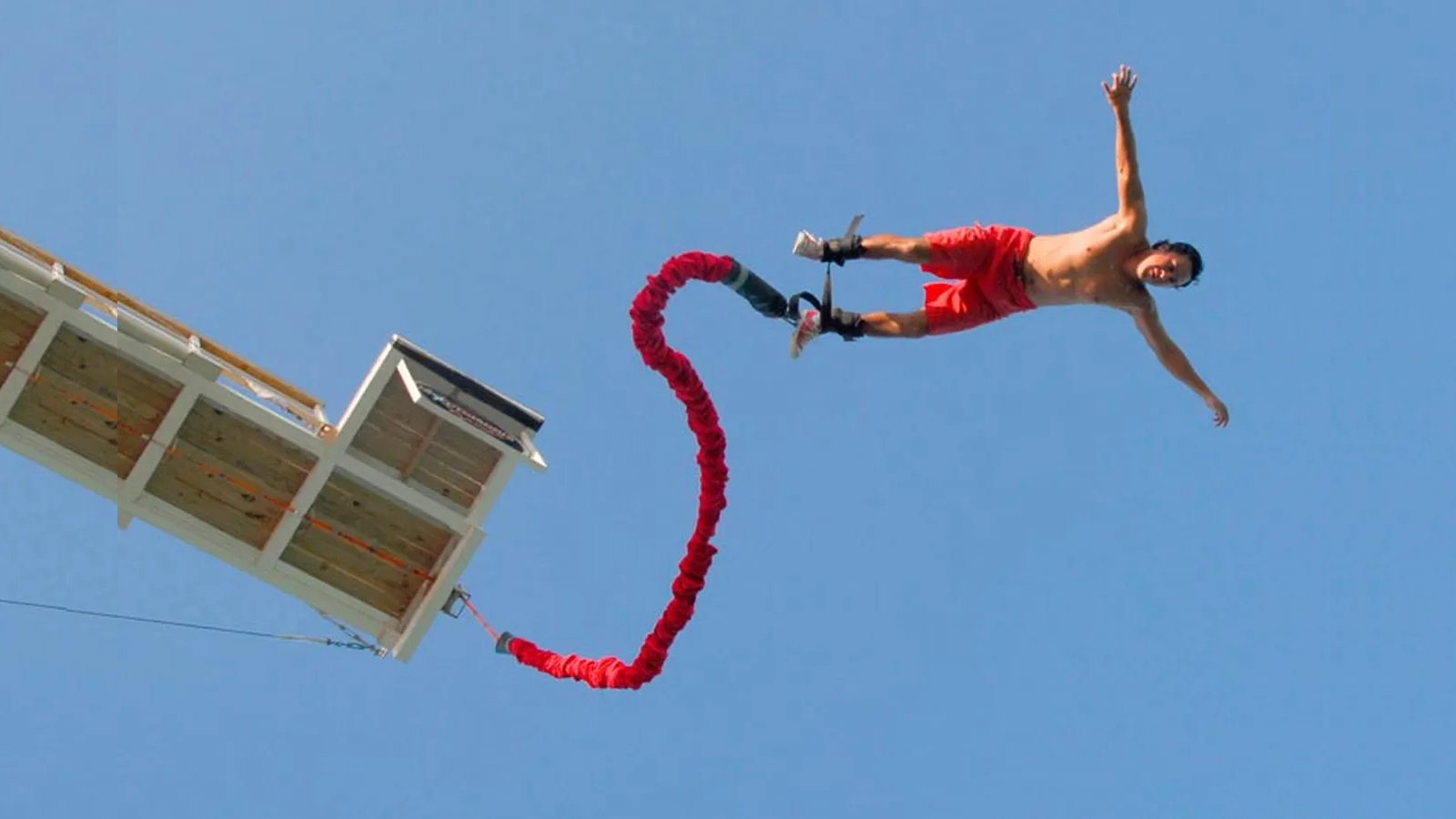
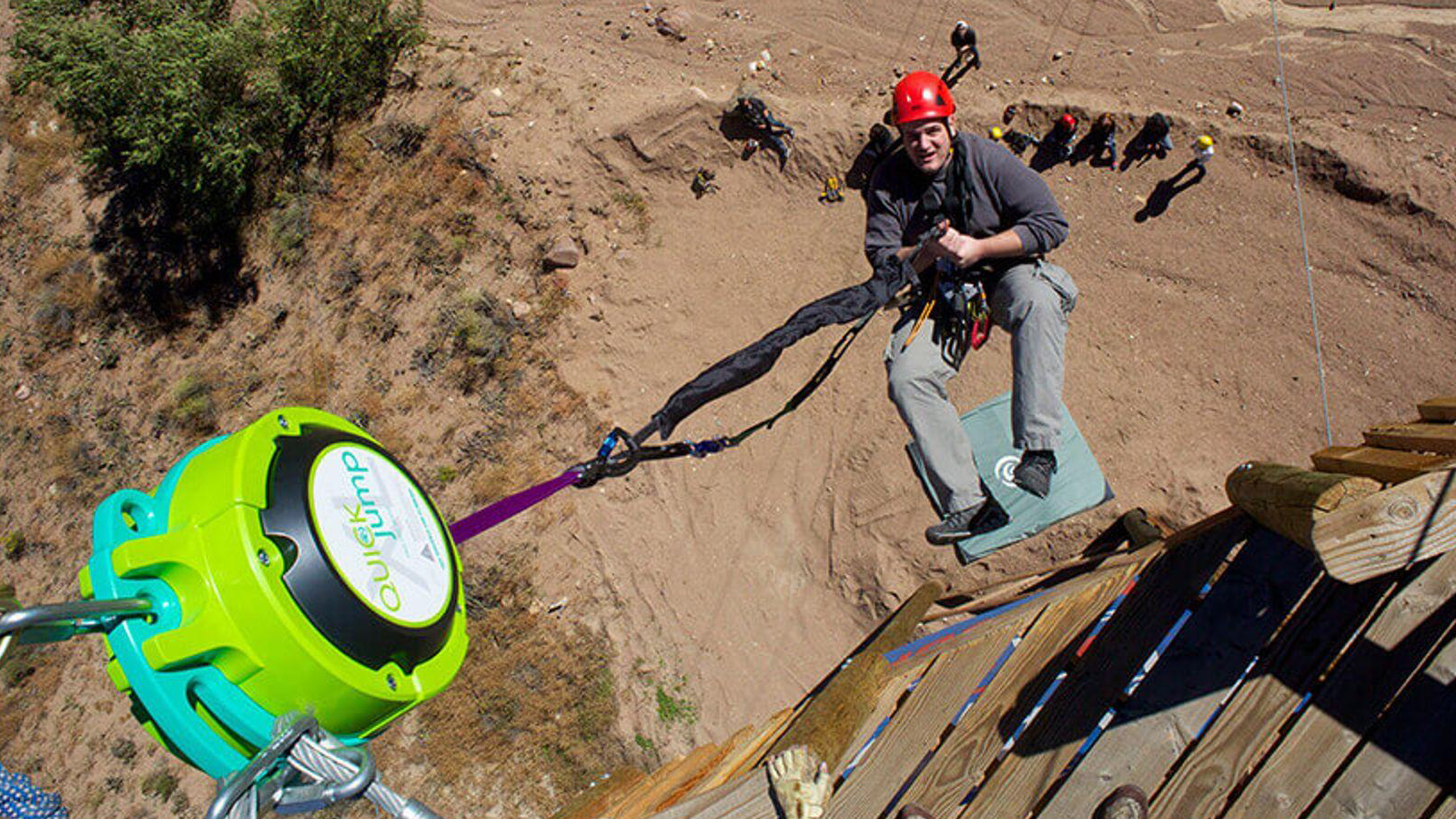
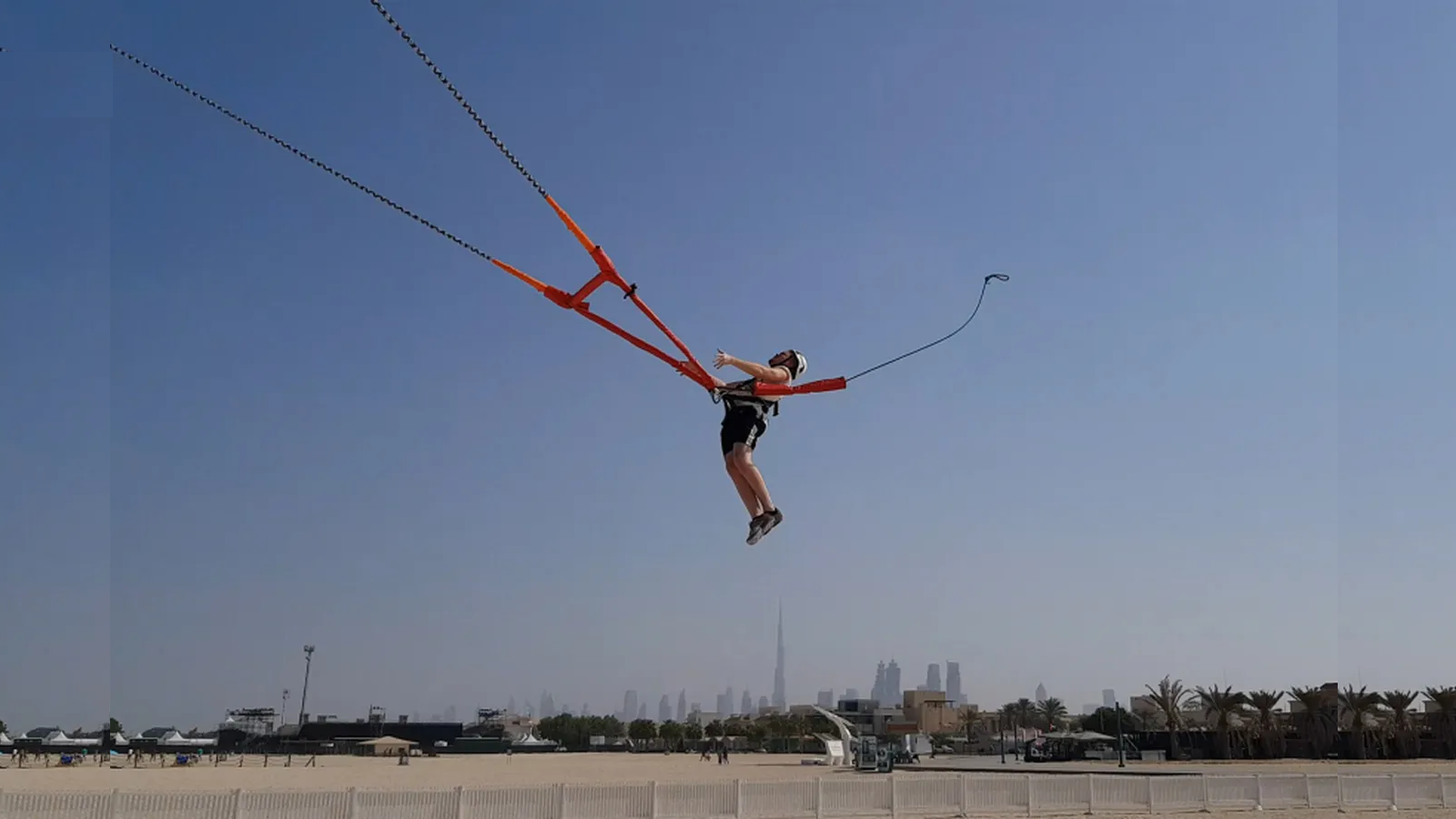
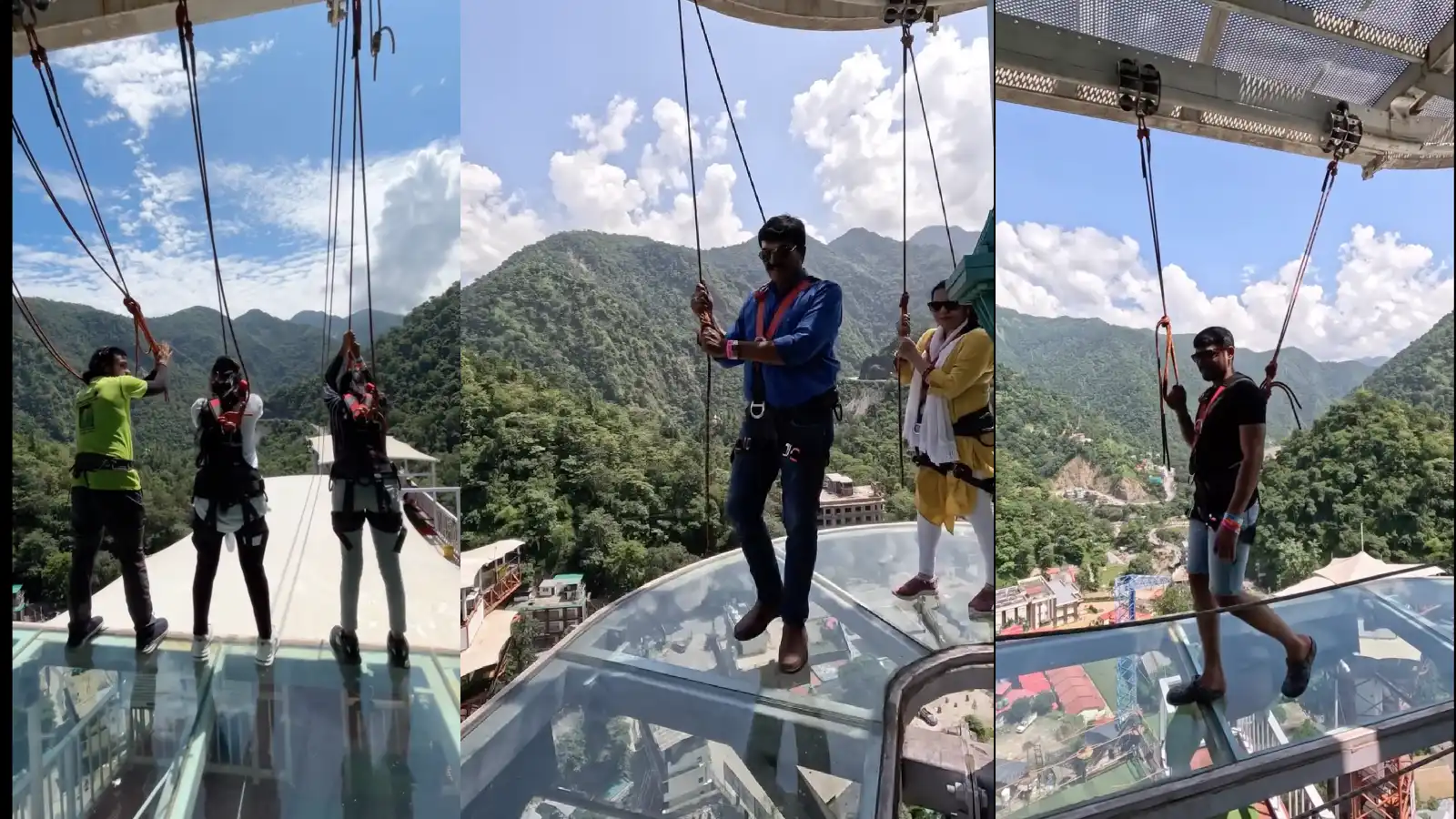
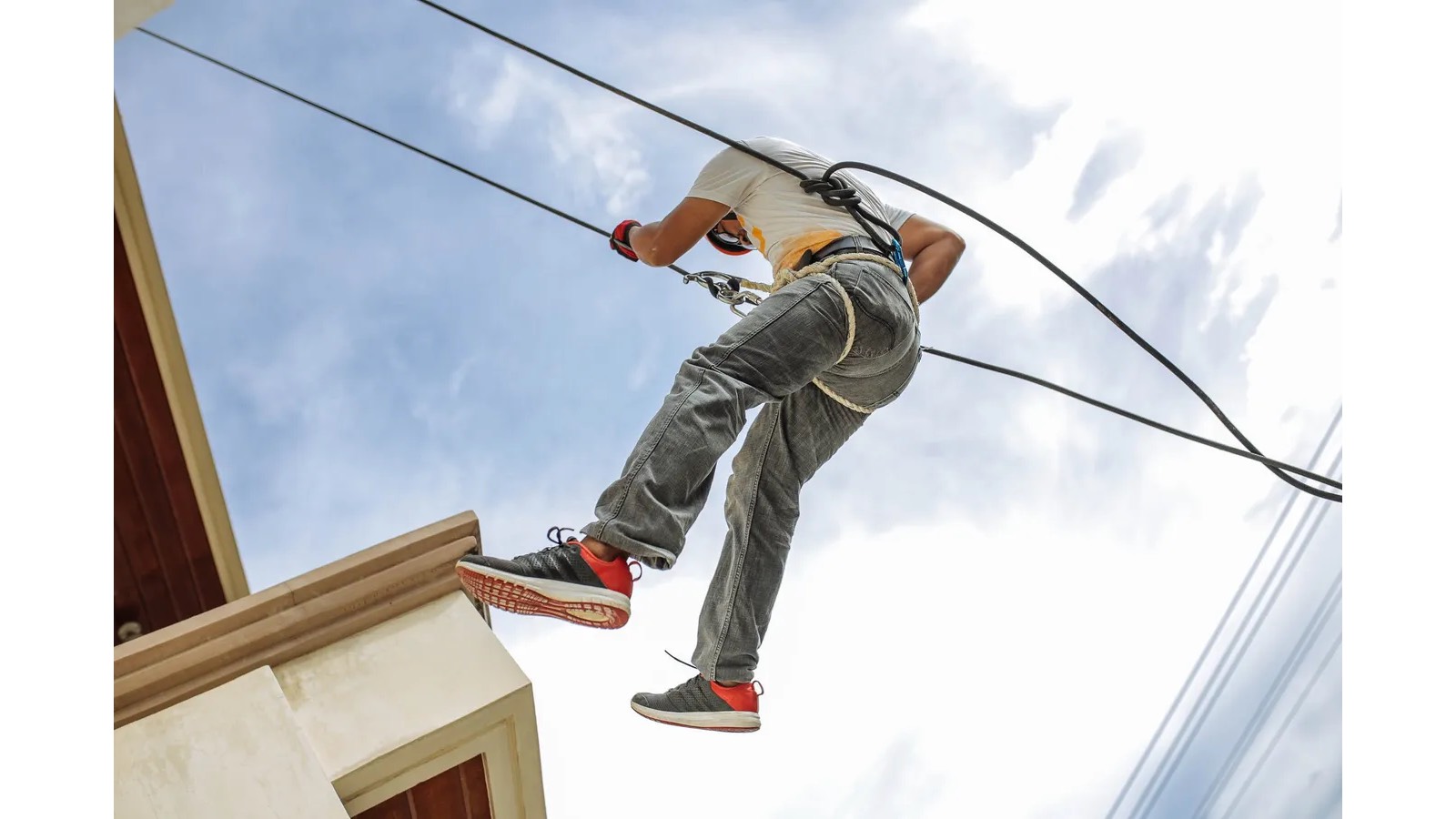
A quick jump is a controlled free-fall experience where participants step off a height and descend smoothly using automated braking and safety systems. The experience focuses on the psychological thrill of stepping into space rather than prolonged motion.

It matters because quick jump systems deliver high perceived thrill within a compact footprint, making them ideal for towers, buildings, and urban adventure setups.

Key Business Outcomes

  • High excitement-to-space ratio
  • Fast ride cycles enabling strong throughput
  • Compact installation suitable for limited sites
  • Strong impulse participation driven by visibility
  • Efficient integration with multi-activity towers
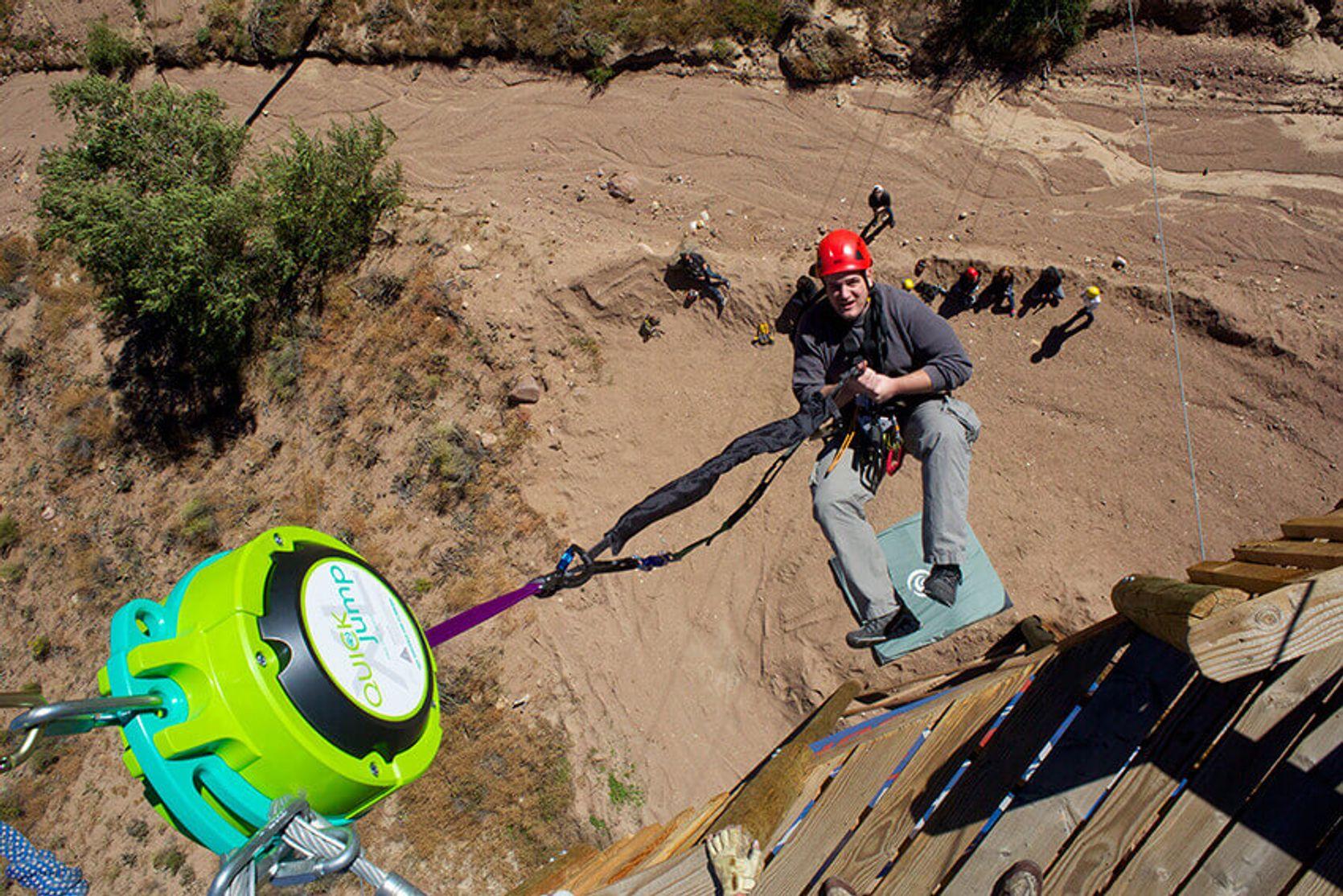
Quick Jump

Where This Works Best?

Multi-Activity Towers
Vertical drop experiences complementing other activities
Urban Buildings & Structures
High-impact attractions using existing height
Adventure Parks
Add-on thrill experiences with fast turnover
Tourism Sites
Controlled free-fall attractions enhancing thrill portfolios
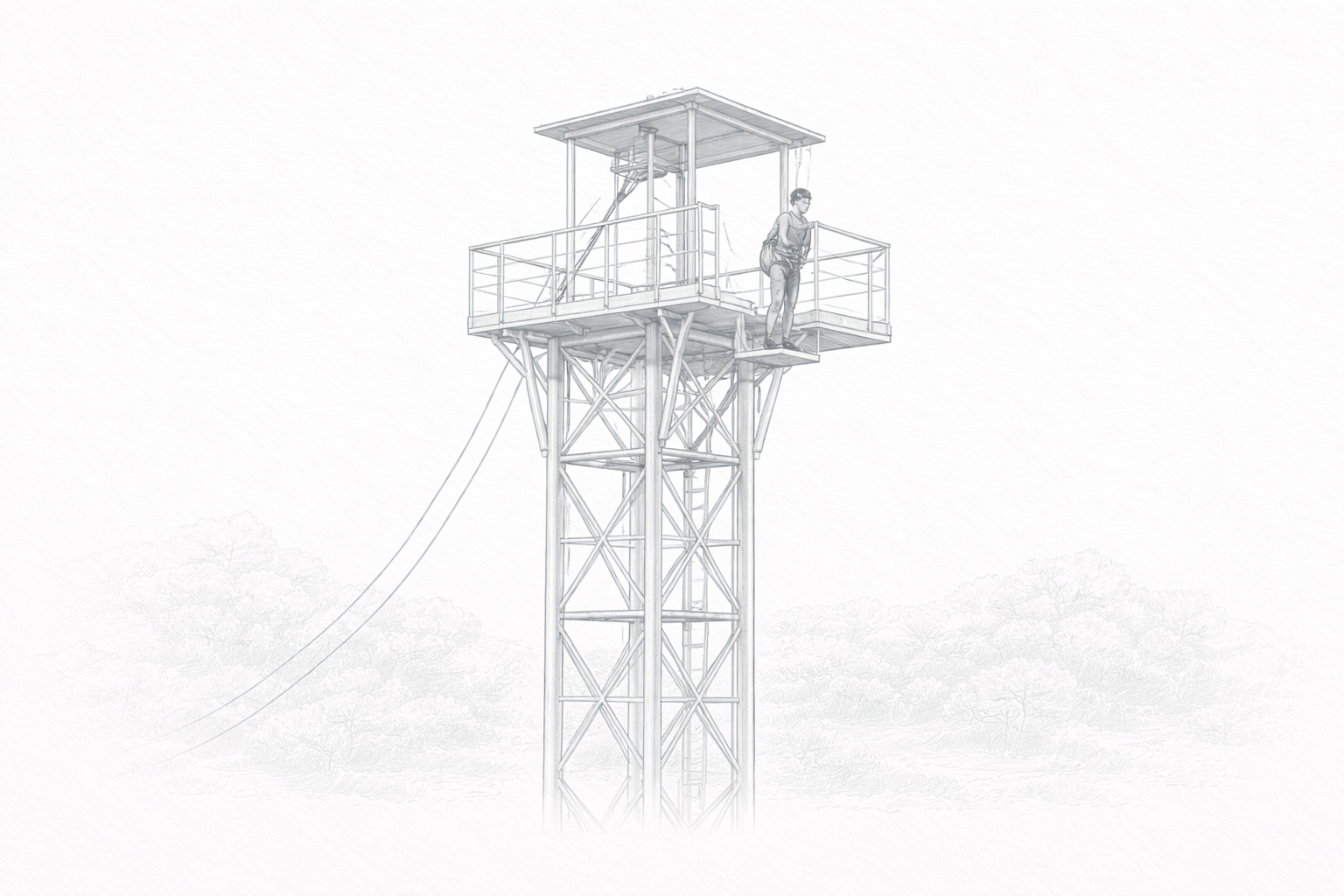
Engineering & Core Components

Quick Jump
Vertical Load Path Design
Drop systems are engineered to manage vertical loads during controlled descent.
Automated Braking Integration
Braking systems regulate descent speed across varying rider weights.
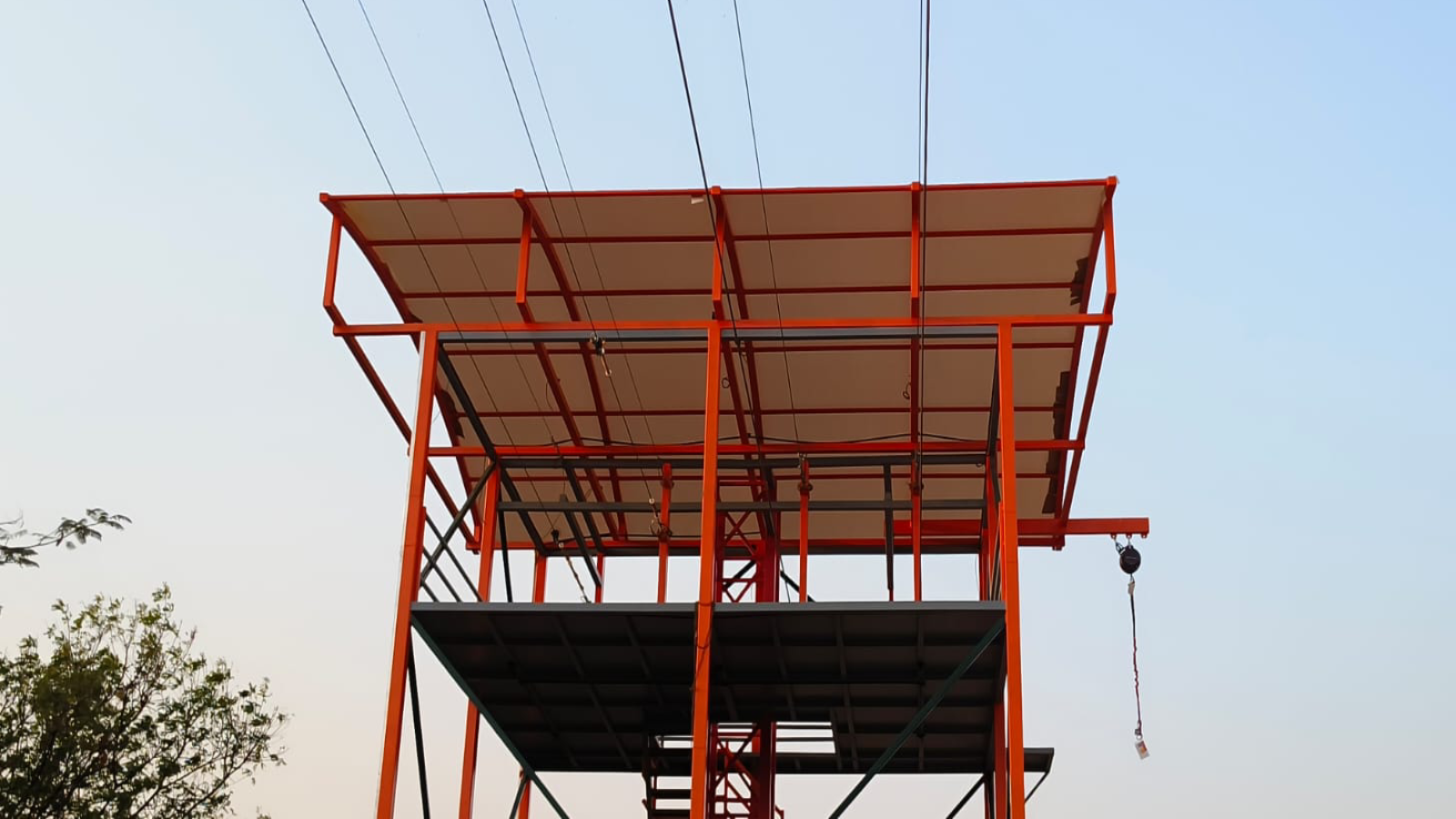
Launch Platform Architecture
Entry platforms are designed for psychological comfort and safe dispatch.
Recovery & Reset Systems
Systems support fast turnaround and repeat cycles.

Safety as a System

Redundant Load Handling
Descent systems are designed to manage load safely across rider ranges.
Routine Equipment Inspection
Braking and descent components are checked daily.
Controlled Entry Management
Entry platforms and dispatch are managed through operator supervision.
Simple Emergency Response Planning
Recovery procedures are designed for quick and controlled response.
Projects We've Delivered
Implemented across adventure parks, resorts, and institutional recreation projects in India.

Indicative Quick Jump Installation Cost in India

  • Standard Quick Jump₹8–12 lakh
  • High-Capacity / Tower Integrated₹20 lakh – ₹40 lakh
  • Platform height affects pricing
  • Integration with existing towers may reduce cost

FAQs on Quick Jump Setup

How much space is required to install a Quick Jump in India?

Quick Jump space requirements depend on drop height, landing clearance, and access platform design. The horizontal footprint is relatively compact compared to ziplines, but sufficient vertical clearance and safe landing zones are essential. Final space requirements are confirmed after site assessment.

Can a Quick Jump be installed on an existing building or tower?

Yes, Quick Jump systems in India are often installed on existing buildings or towers, provided the structure meets load and anchoring requirements. Structural evaluation is essential before integration to ensure safety and feasibility.

What approvals or permissions are required for a Quick Jump in India?

There is no single national approval specific to Quick Jump systems in India. Installations generally require local municipal permissions, property owner consent, and internal safety approvals. Additional permissions may apply for public or institutional sites depending on local regulations.

Is a Quick Jump safe to operate under Indian conditions?

When designed conservatively and operated with disciplined procedures, Quick Jump systems are suitable for Indian operating conditions. Safety depends on reliable braking systems, routine manual inspections, trained operators, and controlled dispatch rather than heavy automation.

Can Quick Jump operate year-round in Indian weather conditions?

Quick Jump installations in India can operate for most of the year. Outdoor operations may pause during heavy rain or high winds. Weather thresholds and operating guidelines are typically defined during the planning stage.

What kind of maintenance does a Quick Jump require?

Quick Jump maintenance involves regular inspection of braking systems, cables, harnesses, and anchoring points. Wear-prone components require periodic servicing and replacement to maintain consistent performance and safety.

Who can operate a Quick Jump on a daily basis?

Quick Jump systems are operated by trained on-site staff. Operators are trained in rider briefing, loading procedures, dispatch control, and emergency response. Daily operation does not require a specialised engineering background but demands strict procedural discipline.

What factors should be considered while planning a Quick Jump project in India?

Key planning factors include available height, structural suitability, expected rider volume, operational staffing, and long-term maintenance planning. Early assessment helps align design, safety, and investment expectations.

A smarter way to build adventure experiences — engineered for safety, throughput, and long-term operations. Since 2009, OXO Planet has delivered turnkey adventure infrastructure across resorts, schools, defence, tourism destinations, and entertainment venues — from design + fabrication to installation, training, and audits.
Contact Us

For project-level discussions, a brief call or WhatsApp conversation helps us understand your requirements faster and respond more accurately.

Say hello

Location

C-2/10, Mayapuri Industrial Area Phase 2, New Delhi - 110064
We operate with a focused project team. For urgent queries, calling us ensures quicker response.