Rope Net Wall Design & Installation

Flexible vertical rope structures for climbing and exploration. Engineered for broad age appeal and adaptable layouts.

What It Is & Why It Matters

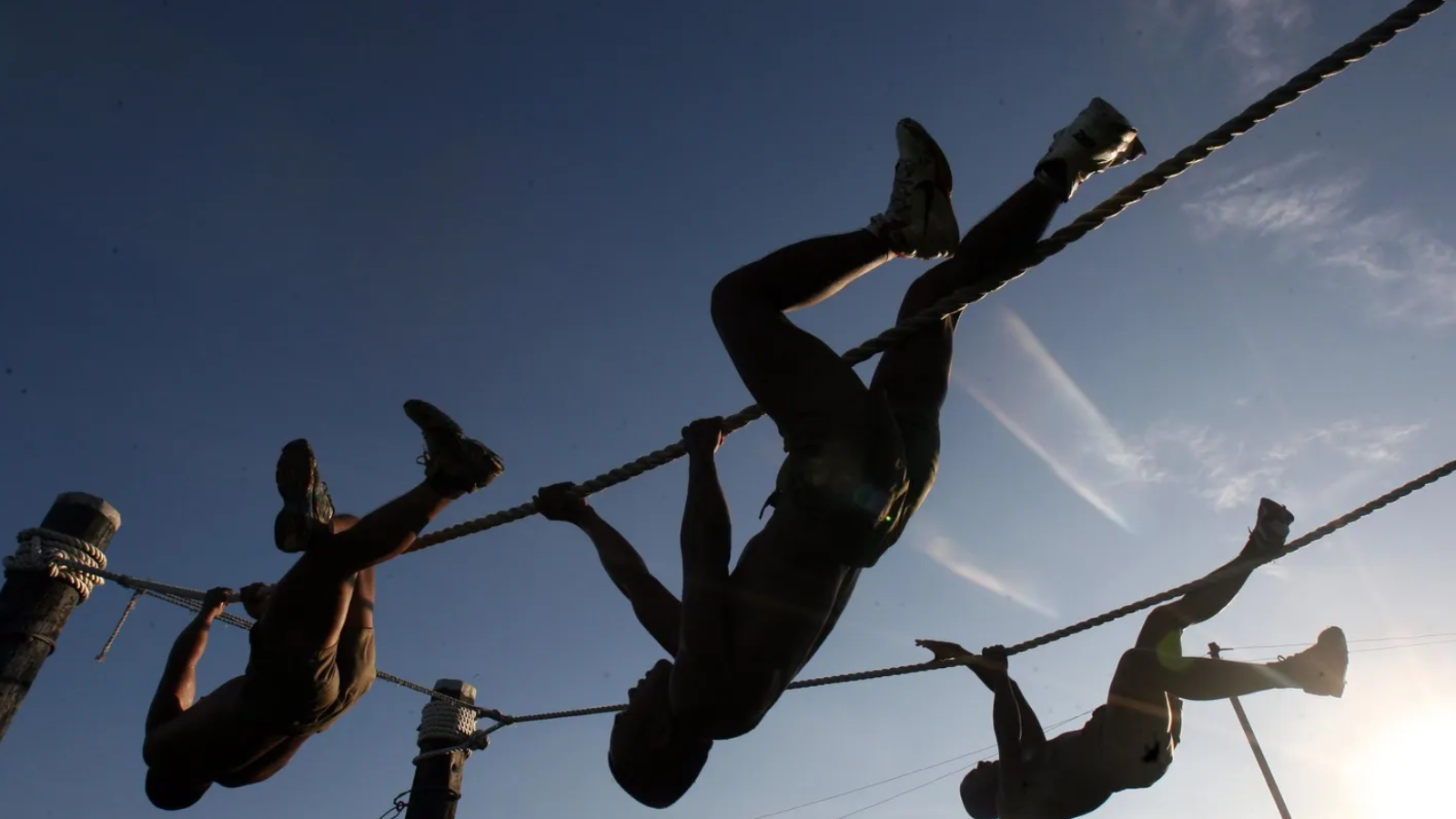
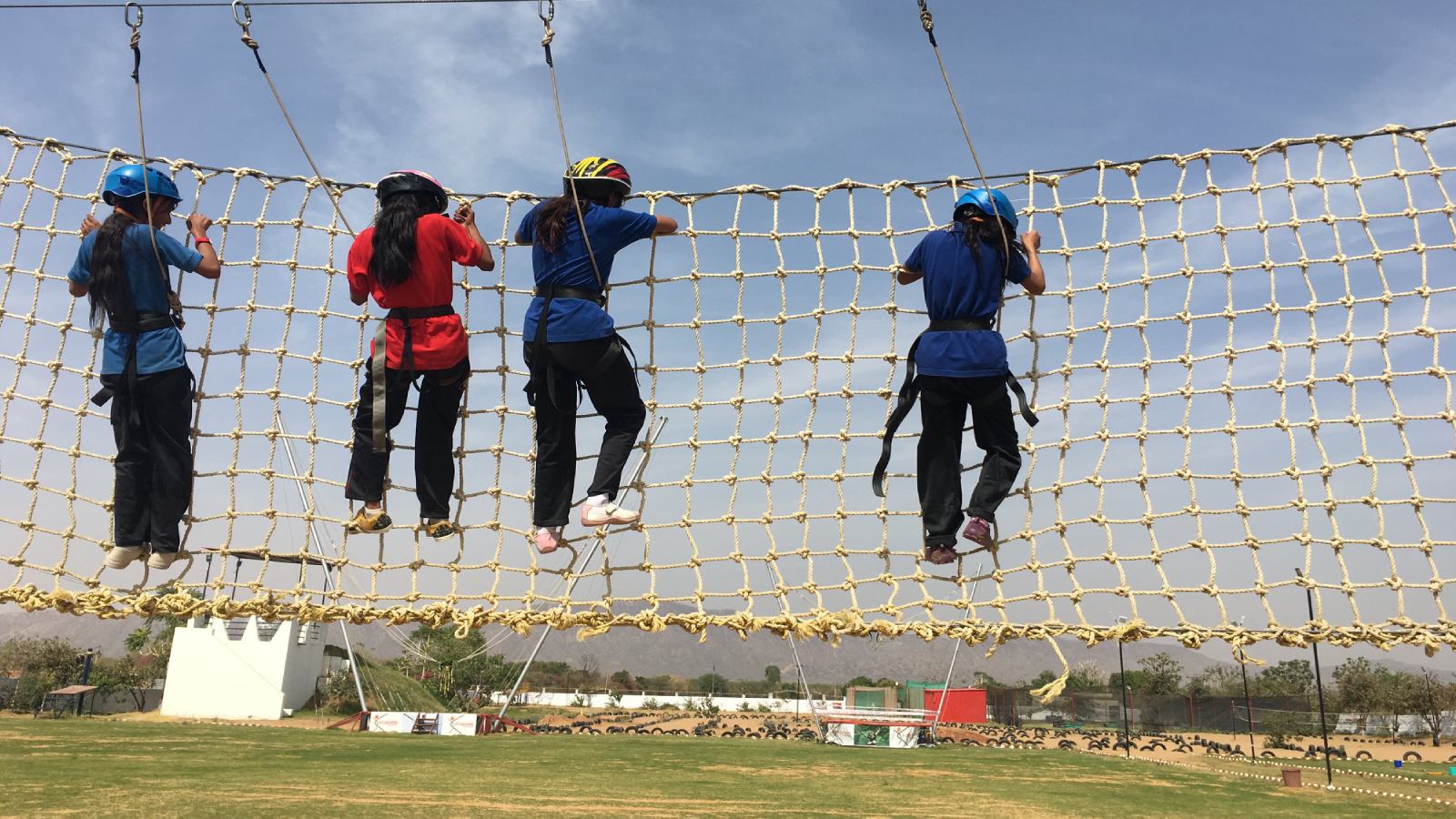
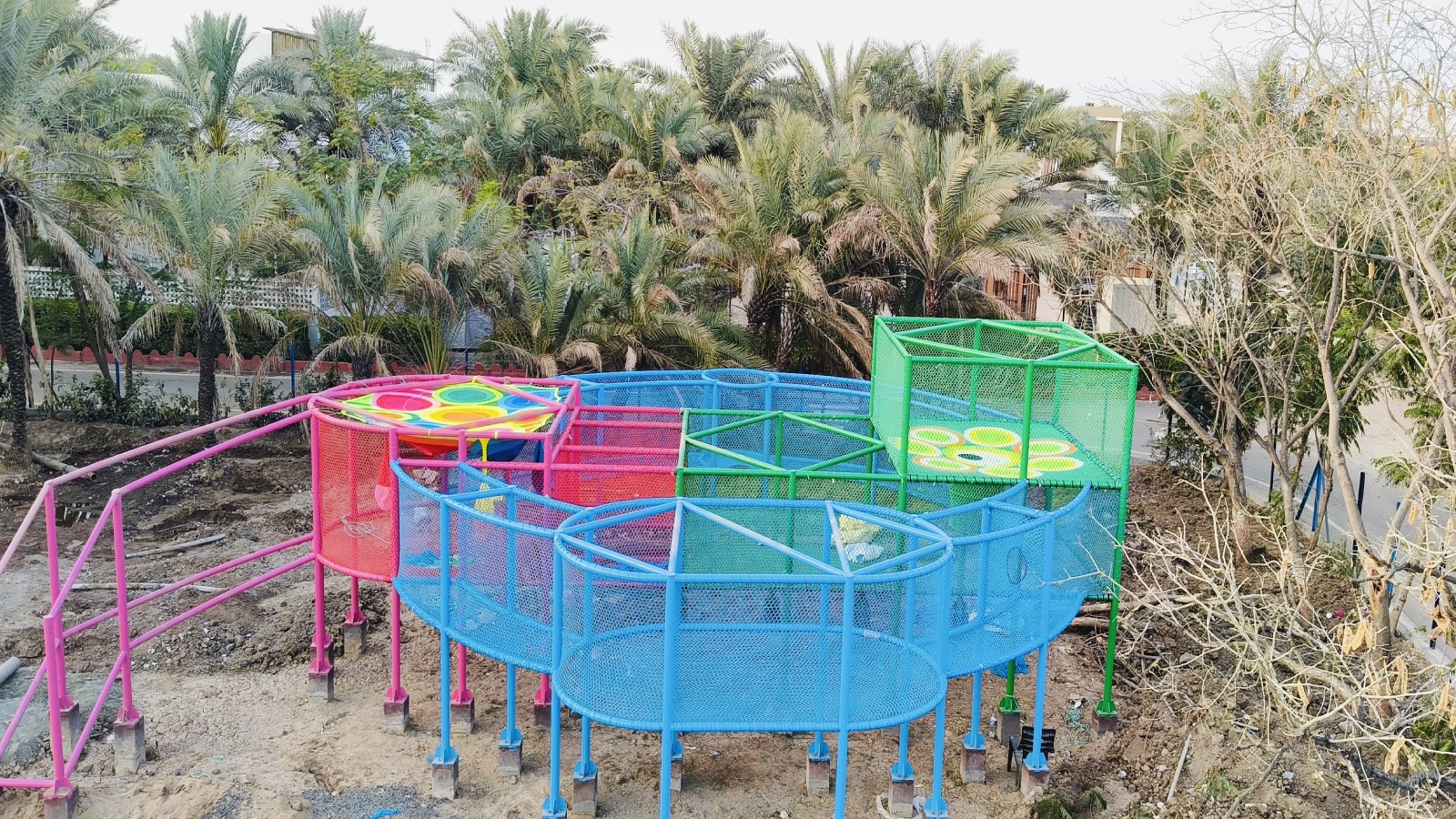
A rope net wall is a vertical or inclined climbing structure constructed using tensioned rope networks. It allows participants to climb, traverse, or explore vertical space in a flexible, non-rigid format.

It matters because rope net walls provide engaging vertical movement with a softer, more approachable feel than solid climbing walls, making them suitable for mixed-age participation.

Key Business Outcomes

  • High engagement with low intimidation factor
  • Broad age-group suitability
  • Flexible layouts for indoor or outdoor use
  • Lower structural rigidity compared to solid walls
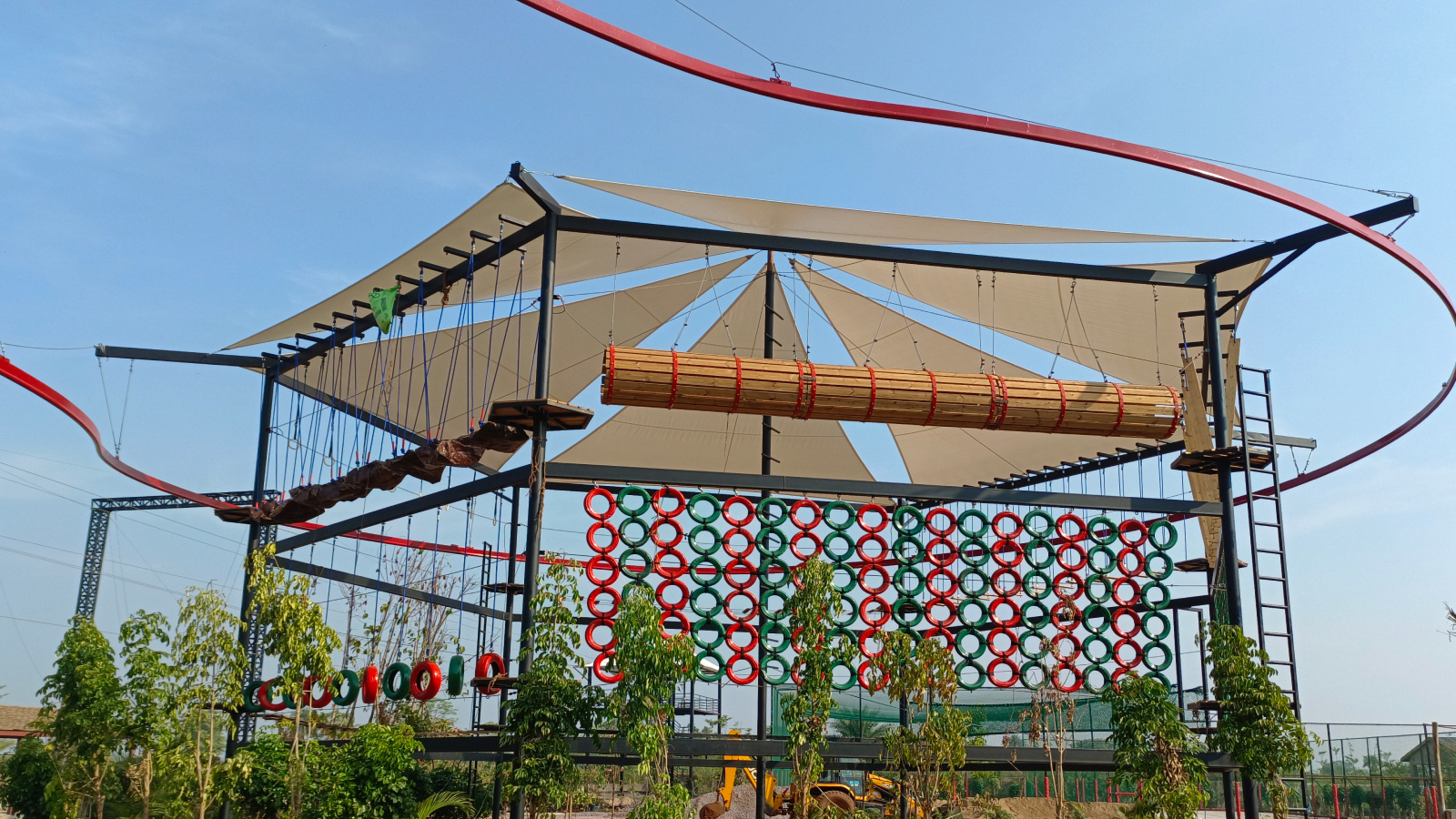
  • Strong integration with ropes courses and net play areas
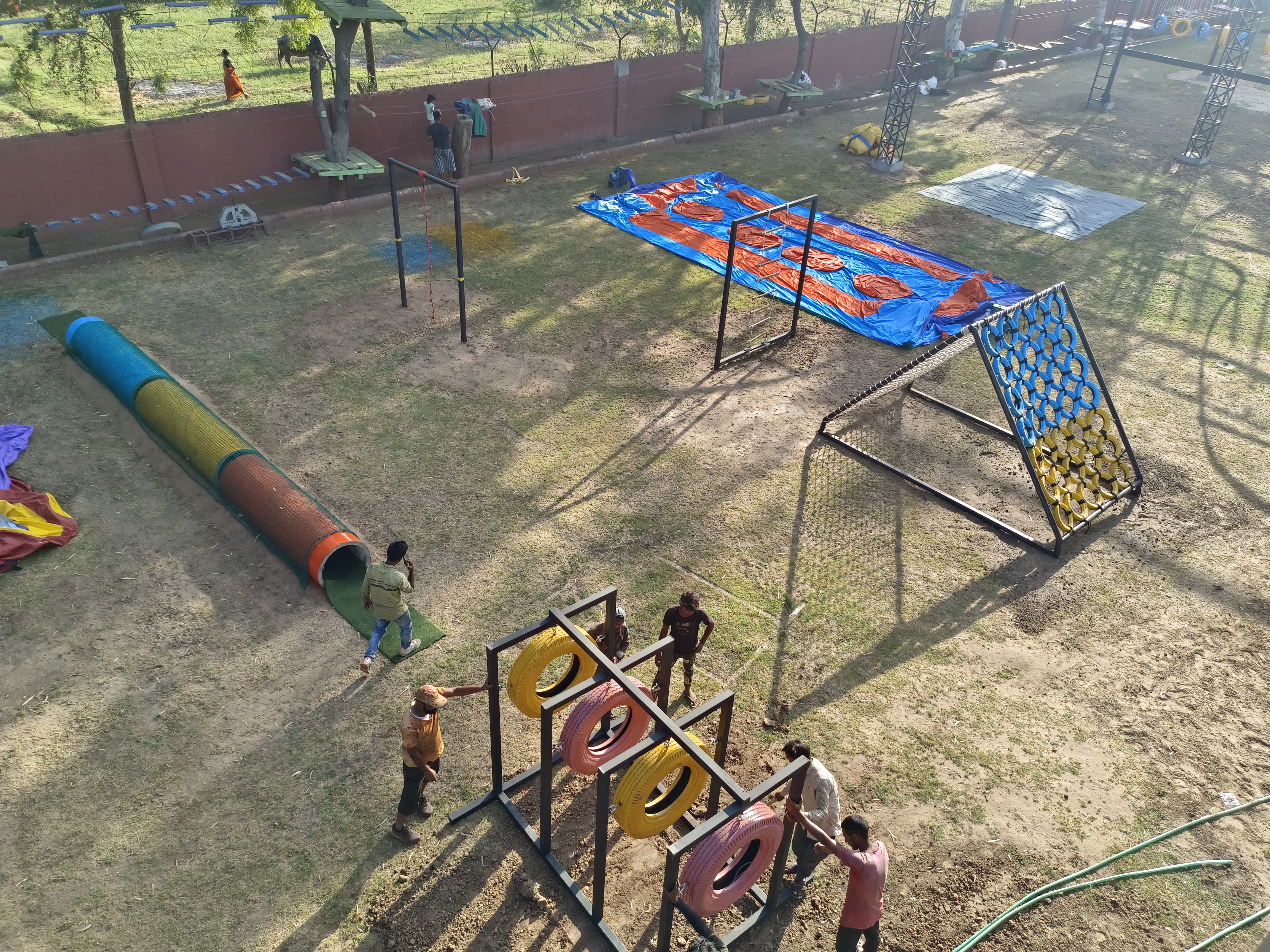
Rope Net Wall

Where This Works Best?

Adventure Parks
Vertical challenge elements within obstacle zones
Mixed-Age Play Areas
Accessible climbing structures with soft engagement
Outdoor Activity Zones
Flexible installations adapting to terrain
Institutional Facilities
Simple climbing elements for training and recreation
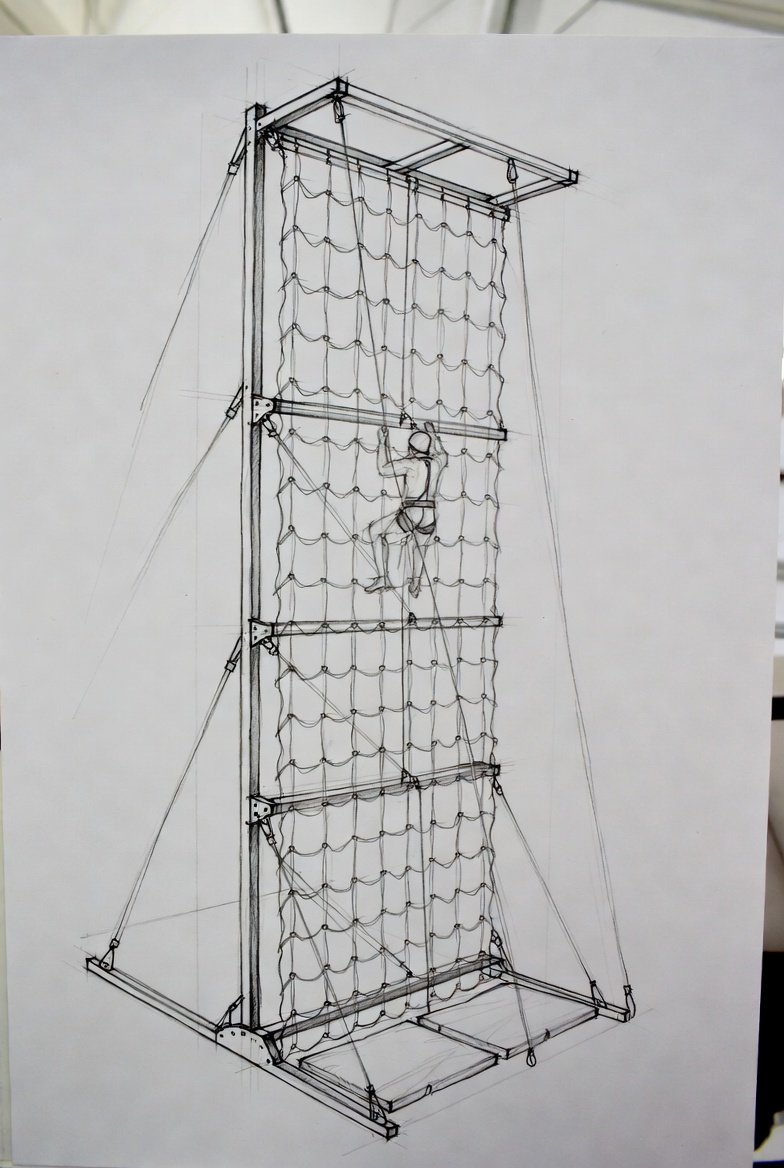
Engineering & Core Components

Rope Net Wall
Vertical Load Engineering
Rope networks are designed to distribute climbing loads evenly.
Anchor Point Design
Fixings are engineered for stability under repeated use.
Climbing Geometry Planning
Net layouts are designed to encourage safe movement paths.
Integration with Adjacent Elements
Systems are designed to connect with larger obstacle zones.

Safety as a System

Even Load Distribution Design
Net geometry spreads climbing forces safely.
Routine Anchor Inspection
Fixings are checked for stability.
Controlled Climbing Paths
Layout encourages predictable movement.
Supervised Participation
Use is monitored during operation.
Projects We've Delivered
Implemented across adventure parks, resorts, and institutional recreation projects in India.

Indicative Rope Net Wall Installation Cost in India

  • Standard Rope Net Wall₹4–12 lakh
  • Large Integrated Wall₹8–20 lakh
  • Height and width affect pricing
  • Integration with towers reduces cost
  • Automatic belay system increases cost

FAQs on Rope Net Wall Setup

How much space is required to install a rope net wall in India?

Rope net wall space requirements depend on wall height, width, and surrounding safety clearance. While the footprint is typically compact, adequate fall zones and circulation space are essential. Final space requirements are confirmed after site evaluation and layout planning.

Can rope net walls be installed indoors, outdoors, or both?

Rope net walls can be installed both indoors and outdoors in India. Indoor installations depend on ceiling height and structural anchoring, while outdoor walls require weather-resistant ropes and secure foundations. Site conditions determine the final configuration.

What approvals or permissions are required for rope net walls in India?

There is no single national approval specific to rope net walls in India. Installations generally require local municipal permissions, property owner consent, and internal safety approvals. Additional permissions may apply for public, school, or institutional sites depending on local regulations.

Are rope net walls safe for children and first-time users?

When designed with appropriate height limits and supervised use, rope net walls are suitable for children and first-time users in India. Safety relies on proper rope tensioning, impact-absorbing flooring, routine inspections, and active supervision rather than complex safety systems.

Can rope net walls operate year-round in Indian weather conditions?

Indoor rope net walls typically operate year-round. Outdoor installations may pause during heavy rain or extreme weather. Seasonal operating guidelines are usually defined during the planning stage.

What kind of maintenance does a rope net wall require?

Maintenance involves regular inspection of ropes, knots, connectors, anchors, and support structures. High-contact areas require routine monitoring for wear and periodic replacement to maintain safety.

Who can operate and supervise a rope net wall on a daily basis?

Rope net walls are supervised by trained on-site staff. Supervisors provide user briefings, monitor activity flow, and respond to minor issues or emergencies. No specialised engineering background is required for daily supervision.

What factors should be considered while planning a rope net wall project in India?

Key planning factors include target age group, wall height, indoor or outdoor location, supervision capability, flooring quality, and long-term maintenance planning. Early alignment ensures safe and sustainable operation.

A smarter way to build adventure experiences — engineered for safety, throughput, and long-term operations. Since 2009, OXO Planet has delivered turnkey adventure infrastructure across resorts, schools, defence, tourism destinations, and entertainment venues — from design + fabrication to installation, training, and audits.
Contact Us

For project-level discussions, a brief call or WhatsApp conversation helps us understand your requirements faster and respond more accurately.

Say hello

Location

C-2/10, Mayapuri Industrial Area Phase 2, New Delhi - 110064
We operate with a focused project team. For urgent queries, calling us ensures quicker response.